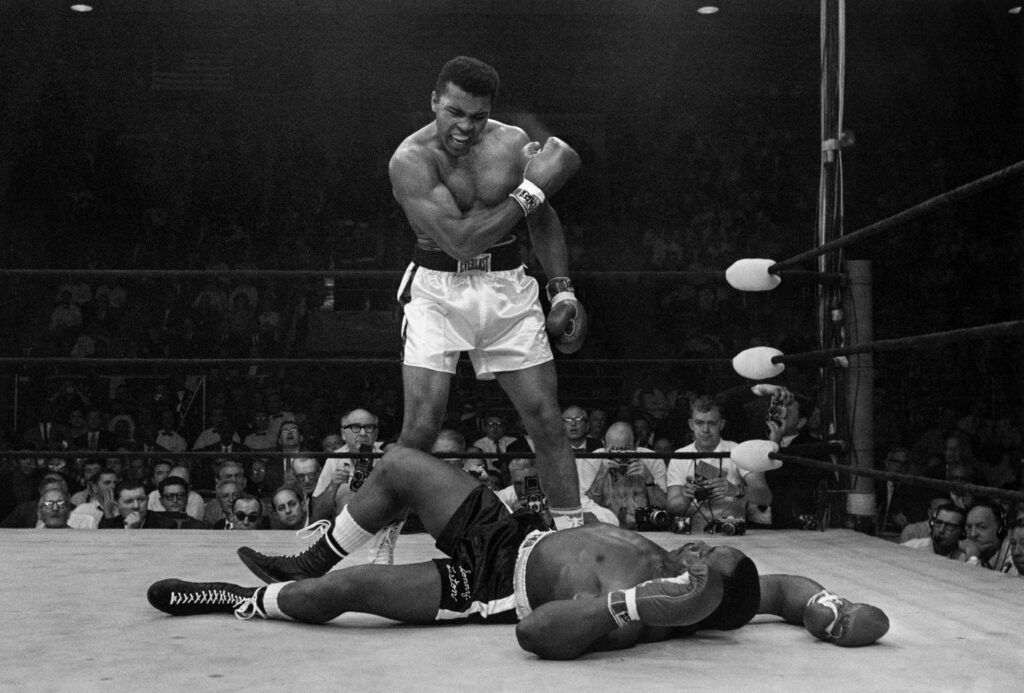
LOUISVILLE, Ky. (AP) – Muhammad Ali's legacy reaches far beyond his remarkable achievements in the boxing ring, characterized by his powerful right jab, Olympic gold medal, and world titles. His wife, Lonnie Ali, highlighted the profound heart and compassion he exhibited long after his boxing career concluded. She stated, “He transcended boxing into every space you can imagine,” reflecting on Ali’s influence as they approach the 10th anniversary of his death on June 3, 2016, after a struggle with Parkinson’s disease.
During an interview at The Muhammad Ali Center in Louisville, Kentucky, Lonnie remarked about Ali’s guiding principle: “service to others is the rent we pay for our room here on earth.” She emphasized that he approached each day with "kindness and empathy" for those in need, underscoring his commitment to humanitarian efforts.
Ali, famously known as the "Louisville Lip," rose to fame in the 1960s not only as a world champion boxer but also as a vocal advocate for civil rights as he gained prominence. Widely considered the most famous and influential boxer in history, he secured the heavyweight title three times throughout his career. The Ali Center honors his legacy by hosting a “Day of Compassion” on the anniversary of his death, aiming to promote acts of service and kindness within the community.
Lonnie Ali, who serves as the center's lifetime director, expressed her desire for the event to evolve into an annual celebration, showcasing works of service and volunteering. She noted the day's focus on one of the core values that epitomized Muhammad Ali, particularly pertinent in an increasingly divided nation. “Today, we are in a place where we are losing touch with our humanity and with each other,” she lamented, urging for connection in a time where society often retreats into polarization.
Lonnie also called upon political leaders to promote compassion in their governance, particularly in light of recent actions, such as the weakening of the 1965 Voting Rights Act by the Supreme Court. She passionately asserted, “We should always be thinking about how we can uplift a community, not how we can make it harder for them,” stressing the importance of equal representation and accessibility in democracy.
Reflecting on the city of Louisville’s commemoration of Ali's life in 2016, she saw hope amidst the grief, noting the immense turnout for a weeklong celebration. This outpouring of love culminated in a funeral procession that passed by Ali's childhood home, attended by notable figures such as former President Bill Clinton, actor Billy Crystal, and Will Smith, among others. The event garnered global attention, with the service livestreamed to millions around the world.
A decade since his passing, Ali's influence continues to resonate profoundly, as evidenced by his face being featured on a U.S. Postal Service stamp. “We’re talking about people who traveled thousands of miles to come here, who had never met the man, never laid eyes on him personally, but wanted to give their last respects to him: kings, princes, presidents, heads of state, celebrities, sports figures,” Lonnie underscored, highlighting the widespread admiration for her late husband.