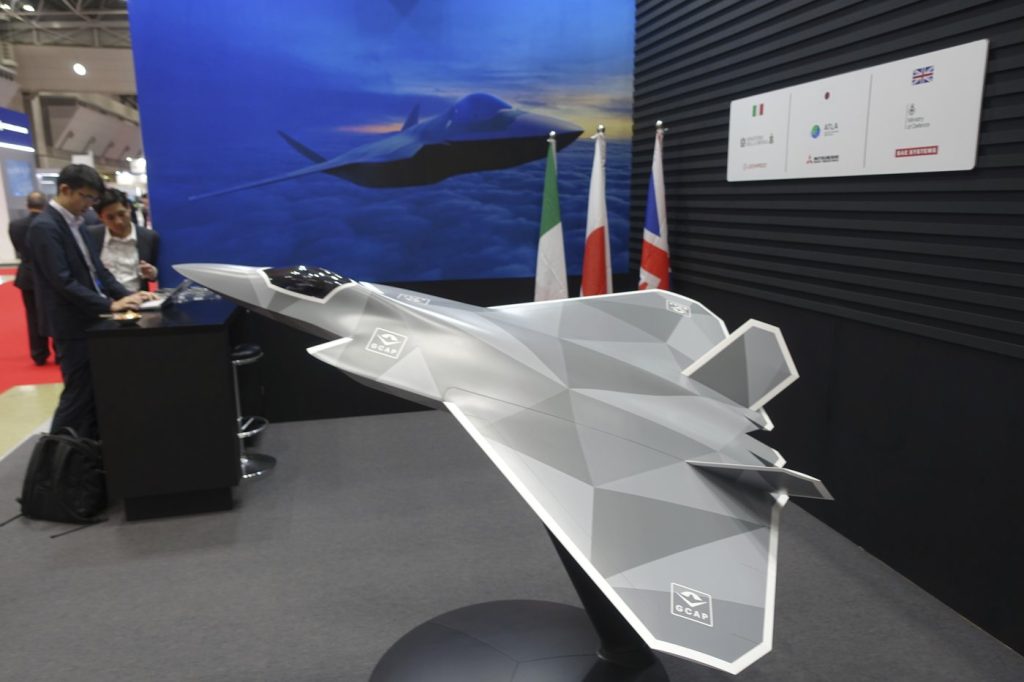
OTTAWA — Canada is set to announce its participation in a multinational, next-generation fighter jet program this week, although it will not be joining as a full member. The anticipated decision comes amid growing speculation that Ottawa will officially sign onto the initiative, which aims to develop a sixth-generation fighter jet in collaboration with the United Kingdom, Japan, and Italy.
Reports from international news outlets have suggested that Canada is eager to secure observer status in the Global Combat Air Program (GCAP). This status would allow Canada access to critical information and insights related to the development of the next-generation fighter jets, enabling Ottawa to make a more informed decision about its potential involvement in the program.
The GCAP will primarily focus on replacing Japan’s aging F-2 jets and the Eurofighter Typhoons currently in service with the U.K. and Italy. This initiative represents a significant step in advancing military aviation technology among allied nations.
Several Canadian cabinet ministers are attending the biennial Farnborough International Airshow in the U.K. from July 20 to 24, where an announcement regarding Canada’s participation is expected to be made as early as Tuesday. Notably, Defence Minister David McGuinty’s office has not provided comments regarding this speculation, keeping a tight lid on potential plans.
During a trip to Japan last month, McGuinty expressed Canada's keen interest in the fighter program. He indicated that he raised the issue during a meeting with Japan’s Defence Minister Shinjiro Koizumi. On June 24, he stated, “We know that the United States is pursuing its own individual initiatives in this area, wants to go alone at this stage,” reflecting Canada’s desire to collaborate with its allies while navigating U.S. military strategy.
Boeing is currently working on the sixth-generation F-47 for the U.S. Air Force, which is intended to replace the formidable F-22 Raptor. As the landscape of military aviation is evolving, questions surrounding Canada’s potential participation in the GCAP have circulated for several months. These queries intensified following reports from Japanese media highlighting Ottawa’s interest since March.
At an April 27 committee hearing, Senator Claude Carignan directly asked McGuinty whether the Canadian government plans to join the fighter program. McGuinty responded, “It’s something we’re looking at as the next generation of fighter jets, but the final decision hasn’t been made.” This statement underscores the ongoing deliberations within the Canadian government regarding the future of its military capabilities.
In parallel, Canada’s efforts to acquire fifth-generation fighter jets, specifically its order for 88 F-35s, have encountered delays. Prime Minister Mark Carney announced a comprehensive review of the order in March 2025, a decision influenced by the ongoing trade war initiated by former U.S. President Donald Trump. Despite the passage of more than fifteen months, the government has yet to finalize or communicate a formal decision regarding this matter.
In addition to McGuinty, other key figures attending the Farnborough airshow include Industry Minister Mélanie Joly, Transport Minister Steven MacKinnon, and Secretary of State for Defence Procurement Stephen Fuhr. Doug Guzman, the head of the Liberal government’s newly established Defence Investment Agency, is also expected to be present at the event. The Canadian federal government anticipates that representatives from around 150 Canadian firms will attend the airshow, which highlights the country’s commitment to bolstering its defense industry.
Joly and MacKinnon are also scheduled to hold meetings with business leaders in London, further emphasizing Canada’s proactive approach in strengthening defense partnerships and exploring opportunities for collaboration in aerospace and defense technology.