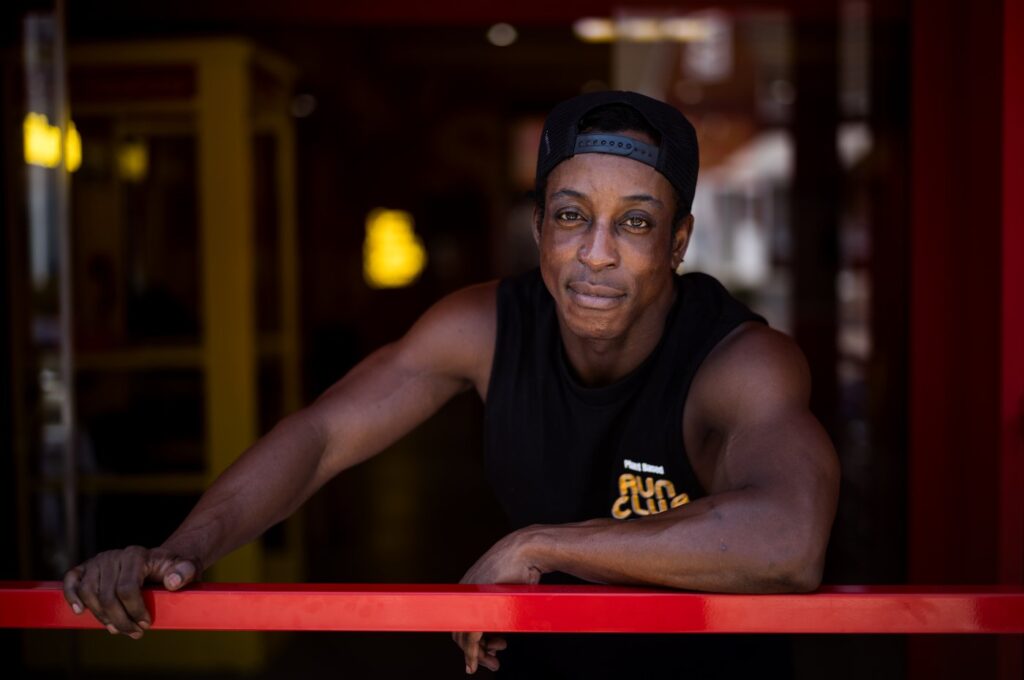
SACRAMENTO, Calif. (AP) - In a significant development in California's political landscape, Los Angeles-based influencer Shaka Smith utilized his Instagram platform to endorse gubernatorial candidate Tom Steyer, addressing his 700,000+ followers weeks prior to the state's primary voting deadline. Smith articulated his support by emphasizing key issues such as healthcare, housing, pollution, and the impact of artificial intelligence on artists, asserting, “Healthcare shouldn’t bankrupt you, housing should not feel impossible, polluters shouldn’t pass their bill to us and artists should not be replaced by AI.” He prefaced his endorsement with a disclaimer, clearly stating, "This is an ad, and honestly, I wish more political content said that first," and acknowledged that he was compensated for his campaign promotion.
California, alongside Texas, has recently enacted policies mandating that content creators disclose any payments received from political campaigns for promotional posts. The Golden State is also contemplating measures to impose fines on influencers who fail to comply with these disclosure requirements. The trend of political campaigns collaborating with influencers, including those with smaller follower counts, has raised questions about the adequacy of current disclosure rules, especially as influencers are expected to play pivotal roles in the upcoming midterm and 2028 presidential elections.
Mike Nellis, a Democratic strategist who contributed to Kamala Harris' presidential campaign, emphasized the necessity for presidential candidates to engage with influencers actively, suggesting that those who neglect to do so risk falling behind in the political arena.
Concerns regarding transparency have been exacerbated by notable instances where influencers promoted political messages without revealing financial incentives. For example, during the 2022 elections, the campaign of then-Senate candidate John Fetterman paid reality TV star Nicole “Snooki” Polizzi to create a video that ridiculed his Republican opponent. In 2023, influencers received compensation from a marketing agency linked to conservative interests to support Texas Attorney General Ken Paxton amid allegations of misconduct, yet these payments were not adequately disclosed.
Steyer, a billionaire and previous gubernatorial candidate who significantly invested in his campaign, faced intense criticism for employing influencers, prompting accusations of trying to buy the election. While several creators associated with his campaign disclosed their payments, state officials are currently investigating multiple cases where influencers allegedly failed to do so.
On a federal level, California Senator Adam Schiff introduced legislation aimed at establishing disclosure requirements, though the bill has yet to come to a vote. Outside organizations are also advocating for the Federal Election Commission to create its own disclosure regulations. In California, the law requiring such disclosures has proven to be challenging to enforce. Although the state’s campaign watchdog can seek court orders for disclosures, this process can be lengthy. To address this, Democratic Assemblymember Marc Berman proposed a bill that would better empower the Fair Political Practices Commission to impose fines on both influencers and political committees that do not comply, potentially imposing penalties of up to $5,000 per violation.
Berman articulated the essential principle behind the legislation: “Voters should have a right to know whether or not campaigns are paying for the messaging that they’re seeing.” Other states like Texas have started to impose similar rules, while New York is contemplating its own disclosure requirements. However, proposed bills aimed at enhancing transparency in Utah and Georgia have failed in recent years.
Influencer Shaka Smith acknowledged that his endorsements had an impact, stating that he initially had no commitment to a candidate until a friend, compensated by the Steyer campaign, encouraged him to consider Steyer. Though not revealing the exact amount paid, Smith mentioned it was substantial enough to be in the thousands of dollars, and he believes that his followers trust his voice in such political matters.
Reactions to the proposed legislation are mixed among content creators. Dustin Torreverde, a smaller influencer in Southern California, expressed concern over the potential financial burden that fines could impose on creators who lack significant resources. Meanwhile, Adina Flores, a libertarian creator, supported the idea of mandatory disclosures, raising concerns about influencers endorsing candidates without thorough research.
Saurav Ghosh, an attorney with the Campaign Legal Center, argued for the importance of transparency in maintaining the integrity of the electoral process, highlighting the critical role that state-level disclosure laws could play in paving the way for federal regulations.