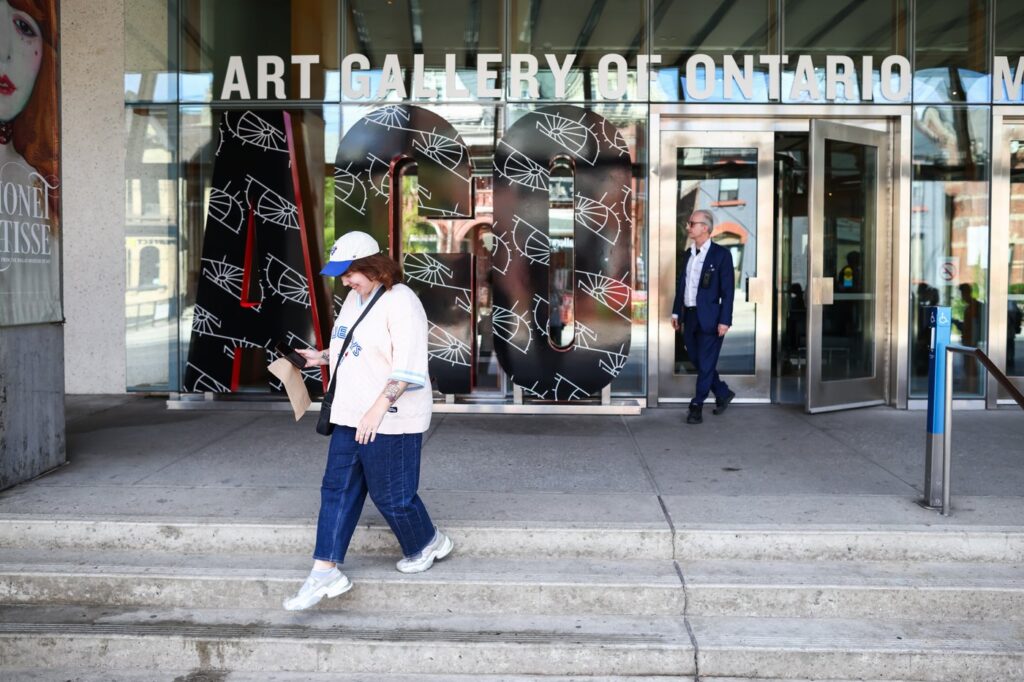
TORONTO – The Art Gallery of Ontario (AGO) has announced that its director and CEO, Stephan Jost, will be stepping down at the end of the year after a decade of service in this pivotal role. Jost’s departure marks a significant shift for the institution, which has undergone considerable changes and expansion during his tenure.
Throughout his decade-long leadership, Jost has played a crucial role in enhancing the gallery’s art collection. Notably, he was instrumental in securing significant donations, including a landmark contribution of 450 works from prominent art patrons Carol and Morton Rapp. This donation stands out as a testament to the relationships Jost has fostered with collectors and benefactors, helping to elevate the gallery's profile in the competitive art landscape.
In addition to enhancing the collection, Jost led a significant expansion project for the gallery, increasing its space by 40,000 square feet. This expansion, which is scheduled to open next year, is expected to provide more room for exhibitions and enhance visitor experience, ensuring that the AGO remains a leading cultural institution in Toronto and beyond.
However, Jost’s leadership has not been without controversy. In recent months, the AGO has faced scrutiny over its decision to back away from acquiring a piece by Jewish-American photographer Nan Goldin. Goldin, known for her powerful works that critique various social issues, had been vocal against Israel's military campaign in Gaza. The gallery's controversial stance on this acquisition has drawn criticism and sparked discussions about the role of art institutions in political discourse, as well as the potential implications for artist relationships and public perception.
As Jost prepares to depart, the AGO has announced plans to conduct a global search for his successor. Finding a replacement who can continue the gallery’s trajectory of growth and innovation will be a priority, as the institution looks to further solidify its place in the international art community.
The transition period will likely be closely monitored by the art community and stakeholders, as the incoming leadership will play an essential role in navigating the ongoing controversies surrounding art acquisitions and institutional responsibilities, while also building upon the foundation established by Jost. The AGO’s future will depend significantly on the new director's vision and strategic approach to both the gallery's collection and its community engagement.
Overall, Stephan Jost's decade at the helm of the Art Gallery of Ontario has left a lasting impact, defined by both notable achievements in collection growth and notable challenges in political contexts. His upcoming departure signals an important moment of change for the gallery, as it prepares to seek new leadership to guide it through the nuances of the contemporary art world.