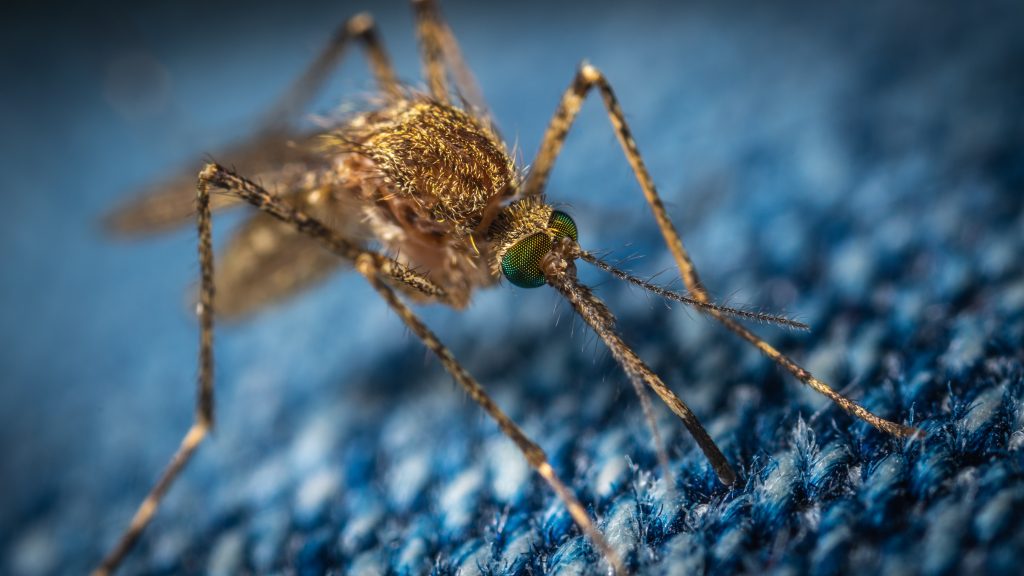
On Wednesday, both York Region Public Health and Peel Public Health confirmed the first human case of West Nile virus in their respective areas. This announcement highlights the ongoing concern about the presence of the virus in the local mosquito population and raises awareness among residents regarding the precautions necessary to mitigate the risk of mosquito bites.
Peel Region first identified mosquitoes testing positive for West Nile virus on July 27. Subsequent reports indicated that in York Region, mosquitoes carrying the virus have been detected in several municipalities throughout the summer months. Both health agencies emphasize the seasonal nature of West Nile virus, which typically emerges in Ontario around mid-summer. Nonetheless, Peel Public Health points out that the confirmation of their first case serves as a critical reminder for residents to maintain vigilance against mosquito bites as the season transitions into fall.
In light of these developments, health experts recommend that residents adopt several preventive measures. Simple yet effective strategies include the use of insect repellent that is approved by Health Canada, particularly for adults, as well as installing mosquito nets for infants under six months. When outdoors, wearing light-colored clothing along with long sleeves and long pants can help deter mosquito bites.
Another critical preventive measure involves eliminating standing water, which serves as an ideal breeding ground for mosquitoes. Residents are advised to check and remove stagnant water found in various locations such as gutters, flower pots, and other containers that can collect water. Additionally, it is essential to be mindful of the times when mosquitoes are most active, which are typically during dusk and dawn. Experts suggest avoiding outdoor activities during these periods, especially in shaded, wooded areas where mosquitoes are likely to thrive.
While most individuals infected with the West Nile virus do not exhibit any symptoms, some may develop mild flu-like symptoms. Common symptoms can include headaches, fever, tiredness, body aches, and muscle weakness. In certain cases, more severe symptoms such as nausea, vomiting, and skin rashes may manifest. It is important to note that older adults, individuals with weakened immune systems, and those suffering from specific chronic illnesses are at a heightened risk for serious complications and should exercise greater caution.
As West Nile virus continues to be a public health concern, continued awareness and preventive measures can significantly reduce the risk of infection. Health authorities will likely continue to monitor mosquito populations and advise the public accordingly as the season progresses.