WARNING: This episode contains discussion about suicide, death, and the killing of children. Please take care.
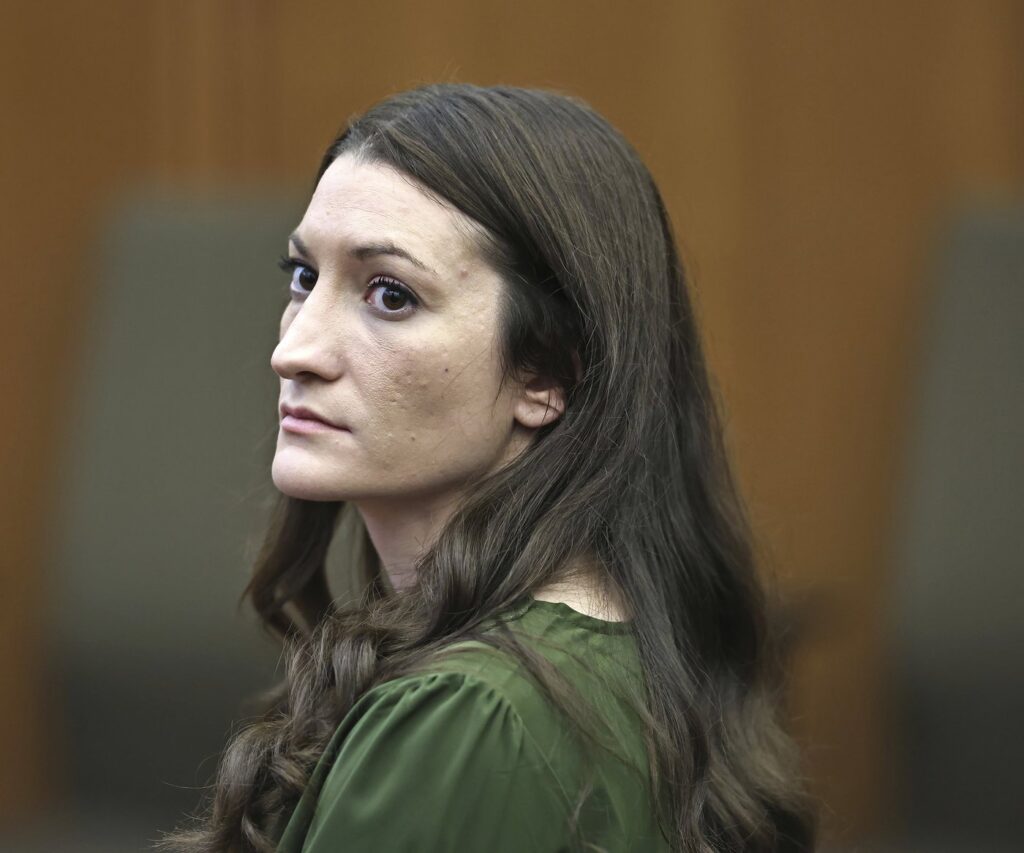
The outcome of a trial concerning Lindsay Clancy, a 36-year-old former nurse from Massachusetts, now rests with a jury of nine women and three men in a U.S. courthouse. The jury has been deliberating since last Friday, weighing the complexities of Clancy’s case, which centers around tragic events that occurred in January 2023, when Clancy admitted to killing her three children.
Clancy’s defense argues that she was suffering from postpartum psychosis at the time of the tragic incidents. They contend that the healthcare system misdiagnosed her condition, which prevented her from being in the right mental state to comprehend her actions. In contrast, the prosecution asserts that Clancy was aware of what she was doing during the crimes. This critical distinction regarding her mental state raises significant questions about accountability and the impact of mental health issues on maternal behavior.
During the trial, various testimonies and pieces of evidence have been presented, showcasing Clancy’s mental health struggles leading up to the killings. The defense aims to establish that her actions were a result of severe mental illness, arguing that the healthcare system failed to provide adequate support and correct diagnosis in a timely manner. Meanwhile, the prosecution's case relies on evidence suggesting that Clancy’s actions were premeditated, indicating a level of awareness and intent that could lead to severe criminal charges.
Host Maria Kestane has been engaging with Michael Casey from The Associated Press, who has provided in-depth coverage of the trial. Their discussion touches on the prevailing atmosphere both inside and outside the courthouse, where public sentiment appears deeply divided. Many individuals express outrage and grief over the killings, while others sympathize with Clancy’s mental health struggles, advocating for greater awareness and understanding of maternal mental health issues.
The possibility of a mistrial is also on the table, as certain legal complexities may arise depending on how the jury interprets the evidence and arguments presented. The case has sparked wider conversations regarding the importance of addressing mental health, particularly postpartum conditions that can affect new mothers. Advocates argue that such discussions are crucial in preventing similar tragedies and ensuring that mothers receive the necessary support during vulnerable times.
Throughout the trial, discussions about mental health awareness have intensified, with many calling for reforms and better resources for those affected by maternal mental illnesses. The public discourse is shifting, emphasizing the need for comprehensive mental health care solutions and the importance of listening to mothers who may be struggling with their mental well-being.
For those who may be affected by the topics discussed, resources are available, including the suicide hotline by calling 988 in Canada and Postpartum Support International, which connects mothers with essential support services.