American expatriates residing in Canada have expressed significant outrage regarding U.S. President Donald Trump's recent executive order to rename Lake Ontario to "Lake America." This controversial decision comes amidst escalating tensions between the United States and Canada, particularly following a breakdown in trade negotiations and ongoing disputes over tariffs. Many Americans living in Canada view Trump's actions as not only embarrassing but also indicative of a childish and irresponsible approach to international relations.
Ben Davis, a retired law professor who moved to Quebec from Virginia in February 2025, criticized the renaming as “beneath the office of the United States president.” He highlighted the historical significance of the name Lake Ontario, which has been recognized since the 1794 Canandaigua Treaty, signed by George Washington and representatives of the Six Nations after the American Revolution. Davis remarked that if the name was good enough for Washington, it should suffice for Trump as well, calling the renaming “nonsense.”
Another American expatriate, Dawna E. Wade, who moved to Annapolis Royal, Nova Scotia, with her wife, echoed these sentiments, stating, “It’s not his to rename.” Wade emphasized the unilateral nature of Trump’s decision and reflected on the growing sentiment that such actions further distance Americans from the country they once called home. She and her wife relocated to Canada primarily for their safety, citing concerns related to their sexual orientation, Jewish faith, and left-leaning political views.
The sentiment against the name change is not limited to Canadian residents; a recent Ipsos/Reuters poll indicated that only 14 percent of surveyed Americans supported the renaming of Lake Ontario. Other Americans in Canada, such as Chris Palermo, a Hamilton resident originally from Long Island, New York, criticized the name change as a “useless” reaction to failed trade talks. He expressed disappointment in tech companies like Google and Apple for adopting the proposed name change on their maps for U.S. users.
Palermo suggested that Trump’s renaming stunts, including changes to familiar geographical names, could be strategies to divert public attention from pressing domestic issues such as the growing cost of living and ongoing conflicts overseas. He noted that support for Trump's controversial actions was diminishing, even among his steadfast supporters.
Moreover, London, Ontario resident Chris Kubinski shared his outrage, stating he felt compelled to renounce his U.S. citizenship in protest against Trump's rhetoric, particularly threats regarding the potential annexation of Canada as the “51st state.” Kubinski, who moved to Canada as a child in the 1970s, described Trump’s renaming order as “childish” and expressed surprise that Trump did not suggest a more self-promoting name like “Lake Trump.”
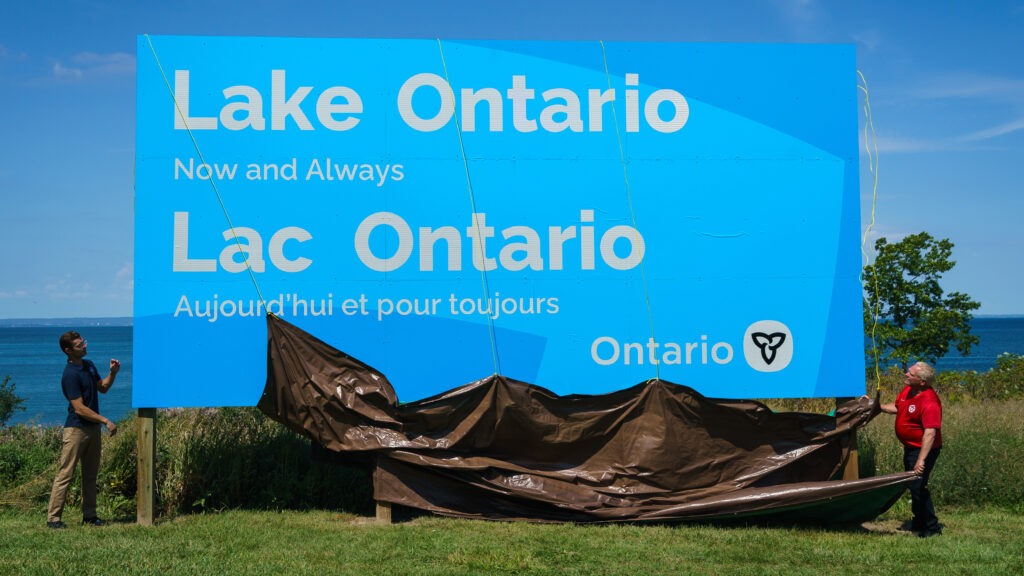
Overall, the renaming of Lake Ontario to “Lake America” has triggered a wave of indignation among American expatriates in Canada, who view the decision as not reflective of historical relationships and respect between the two nations. Despite Trump's unilateral declaration, both Ontario Premier Doug Ford and Canadian Prime Minister Mark Carney have affirmed that the lake will always be referred to as Lake Ontario, underscoring the shared cultural and historical ties that transcend political decisions. The controversy continues to highlight the complexities of cross-border relations between the United States and Canada amid a politically charged atmosphere.