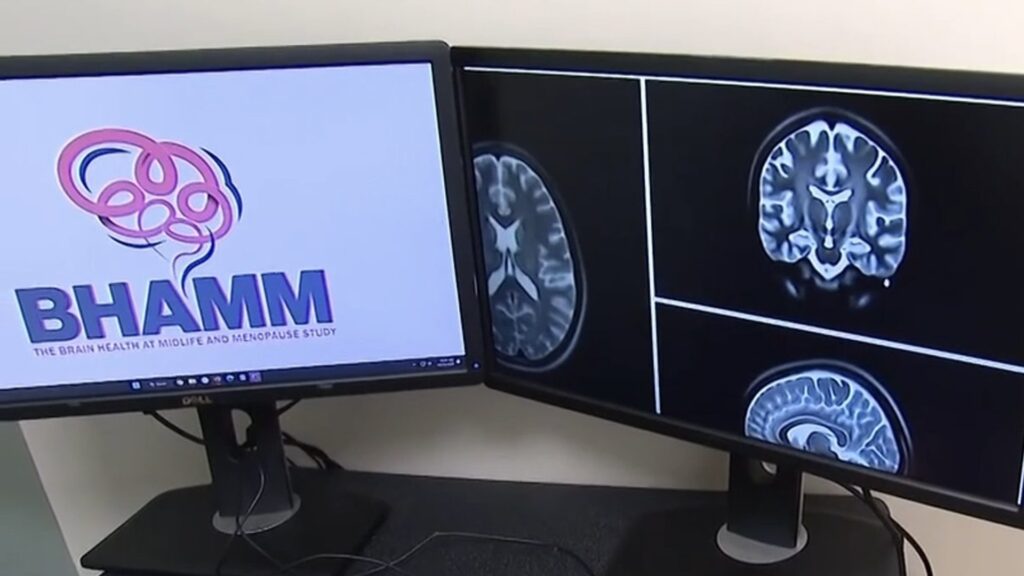
Losing one's train of thought or struggling to find a familiar word can be particularly concerning for women as they approach menopause. At Toronto Metropolitan University (TMU), researchers are investigating the implications of this transition on memory and how these changes may influence brain health in later stages of life.
In recognition of Menopause Day, Natasha Rajah, a professor of Psychology and a Tier 1 Canada Research Chair in Sex, Gender, and Diversity in Brain Health, Memory, and Aging at TMU, emphasizes research focused on the links between menopause and memory issues that may indicate early signs of dementia.
According to Rajah, “Women account for two-thirds of Alzheimer’s disease cases globally, and memory decline is often the first symptom.” She leads the Brain Health at Midlife and Menopause (BHAMM) study, which is part of TMU’s Brain Health Equity in Aging and Memory (BHEAM) lab. The team employs MRI scans, blood samples, and memory tests to explore how the cessation of menstruation—menopause—and various health factors correlate with brain function.
Rajah outlines the objective of the study, stating, “We want to see how some females experience menopause, as this could be an early window of opportunity to identify women at higher risk for Alzheimer’s disease later in life.” Her research team has uncovered links between inadequate blood vessel health and memory impairment in postmenopausal women. However, these findings do not conclusively establish menopause as a direct cause of Alzheimer’s disease.
Furthermore, Rajah notes that midlife females appear to display an age-related decline in cognitive function, a trend that is not observed in males. She emphasizes that the research aims to pinpoint when this decline occurs, particularly during the peri-menopausal and post-menopausal phases.
Historically, clinical studies have inadequately considered the biological differences between men and women. Rajah's team is dedicated to addressing this gap by examining these variances. The research also aspires to foster a more inclusive understanding of brain aging that encompasses diverse communities.
Rajah highlights the lack of knowledge regarding how menopause is experienced across various cultures. She cites the discrepancy in the average age of menopause between Western countries and India, questioning the significance of broader representation in research findings.
For instance, “The average age of menopause in India is lower than that in the West. What explains this difference?” Rajah queries, stressing the necessity to investigate these factors and to assess whether findings regarding menopause and cardiovascular health hold true across different cultures.
Rajah invites critical reflection on the assertion that menopause constitutes a risk factor for cardiovascular health in the West. She questions whether this statement applies universally to all communities and what constitutes an early onset within diverse populations.