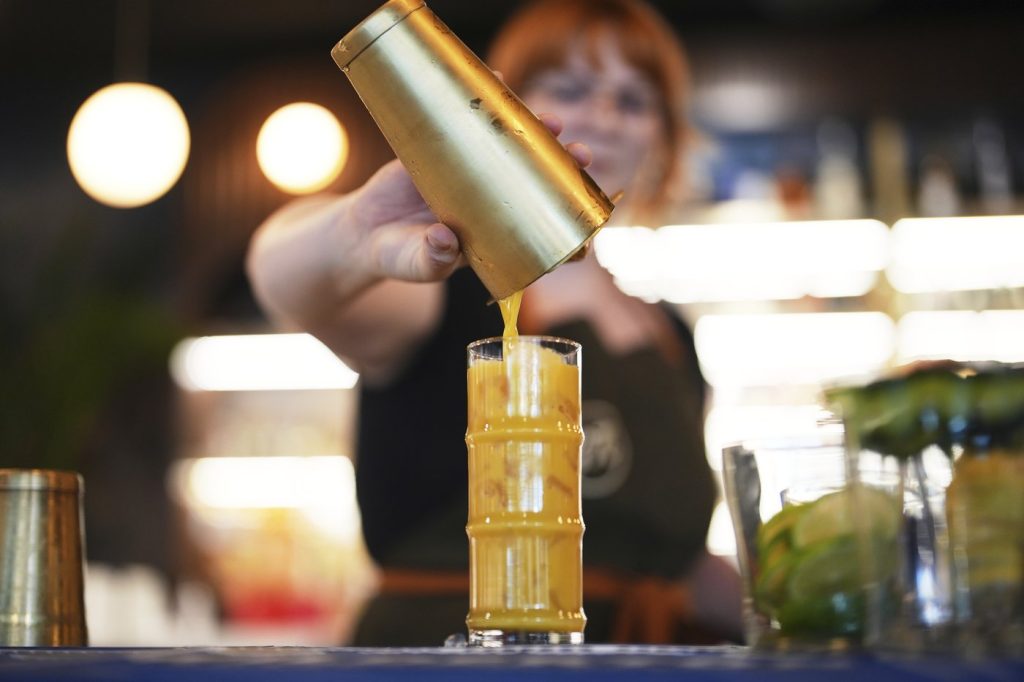
The drinking habits of Canadians are undergoing a notable transformation, as reported by a recent study from Restaurants Canada. According to the findings, 41 percent of Canadians have reduced their alcohol consumption over the past year. This shift is prompting the restaurant industry to recalibrate its offerings to cater to changing consumer preferences.
Milena Stanoeva, a spokesperson for Restaurants Canada, highlighted that alcohol represents one of the highest-margin items in restaurants. As a result, establishments are actively seeking innovative ways to attract customers who are more health-conscious or budget-aware. This change has led to a surge in the popularity of mocktails, with an increasing number of bars and restaurants introducing alcohol-free beverage menus aimed at these demographics.
Feedback from consumers indicates that many non-alcoholic options are well-received. One diner from Toronto noted, “Honestly, a lot of them are really good. Some of the mixologists in the city are fantastic.” This sentiment suggests that the quality of non-alcoholic beverages is encouraging more patrons to choose these alternatives over traditional alcoholic drinks.
The trend extends beyond dining establishments. At the Village Grocer in Markham, President Brad Fletcher reported a rise in sales of non-alcoholic beer and wine. He stated, “Non-alcoholic beer and wine is really taking hold. We are seeing great trends in that in our store.” Interestingly, Fletcher also pointed out the financial advantages for retailers, mentioning, “The margin on non-alcoholic wines completely exceeds what we get in beverage alcohol.” This observation highlights the economic viability of non-alcoholic products for businesses across various sectors.
Reasons Behind the Decline in Alcohol Consumption
Personal reflections from individuals who spoke to CityNews indicate that the decline in alcohol consumption may be rooted in mental health considerations. One person expressed concerns about the ease with which alcohol can become an escape, stating, “I find it becomes an escape and it’s too easy to just say, ‘Hey, this makes me feel good and I’ll just keep drinking more.’” This perspective underscores the growing awareness of the psychological impacts of alcohol consumption.
In light of new research, Health Canada updated its guidance on alcohol consumption in 2023. The agency found that consuming three to six standard drinks weekly can elevate the risk of several types of cancer, including breast and colon cancer. Mirroring this health-oriented trend, the Restaurants Canada report showed that 71 percent of Canadians cited health reasons as a motivation for drinking less. Additionally, the report highlighted affordability as a significant factor, particularly affecting younger generations like millennials and Gen Z.
Stanoeva noted the financial constraints faced by these demographics, saying, “They’re really having a hard time fitting going out and drinking into their budgets. And so they’re looking at alternatives or maybe drinking at home before going out, things like that.” This highlights a shift not only in health consciousness but also in economic realities that influence drinking habits in Canada.
As drinking patterns evolve, the beverage industry, restaurants, and retailers are likely to continue adapting their strategies to meet consumer demand for healthier, more affordable options. The rise of non-alcoholic alternatives is undeniably reshaping the landscape of social drinking in Canada, reflecting broader societal changes in attitudes toward alcohol consumption.