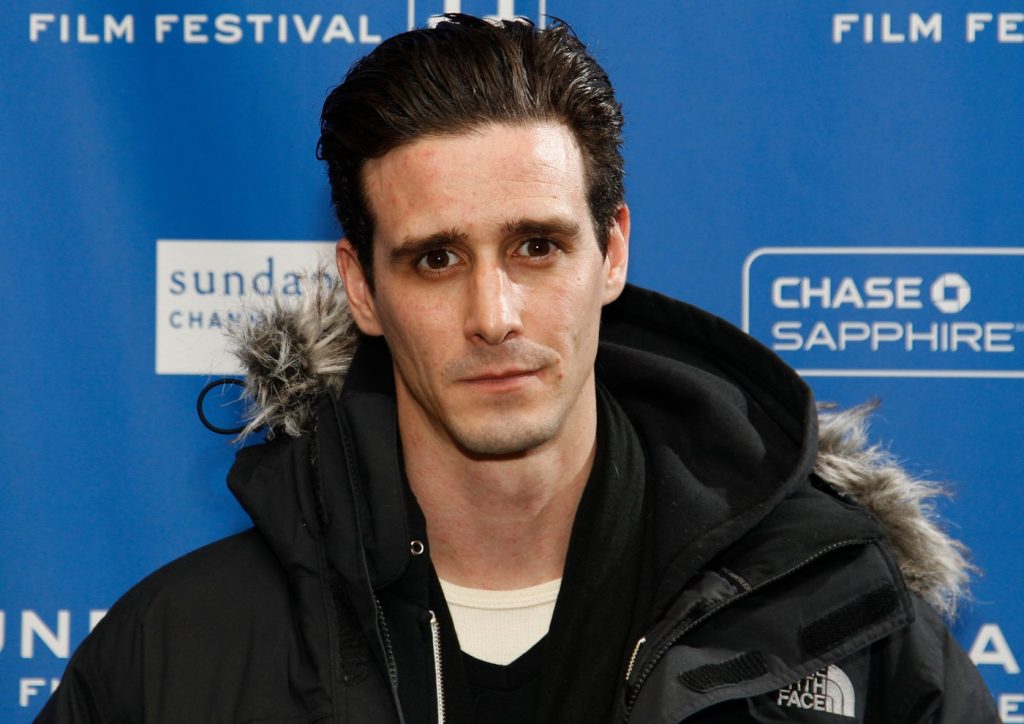
LOS ANGELES (AP) – James Ransone, the accomplished actor known for his portrayal of Ziggy Sobotka in the critically acclaimed HBO series “The Wire,” has tragically passed away at the age of 46. Ransone's impactful performances spanned across various television shows and films, establishing him as a recognizable figure in the entertainment industry.
According to records from the Los Angeles County Medical Examiner's office, Ransone died by suicide on Friday. This news has sent shockwaves through the community, as many remember him for his complex characters and compelling performances. The announcement of his death has raised awareness of mental health concerns within the industry and beyond, prompting discussions about the pressures faced by actors and creatives.
Ransone's filmography includes notable titles such as “It: Chapter Two,” where he played a pivotal role, and “The Black Phone,” alongside other prominent actors. His involvement in “Black Phone 2” further showcased his versatility as an actor. Additionally, he made memorable appearances in television shows such as the police drama “Bosch,” where he portrayed a detective, and the innovative series “Poker Face,” demonstrating his wide-ranging talent.
Details surrounding his death remain limited at this time, and messages seeking comment were sent to representatives of Ransone over the weekend. Moreover, inquiries were directed to a spokesperson for the medical examiner's office to gather more information about the circumstances surrounding this tragic incident.
James Ransone's artistic journey was marked not only by his acting skills but also by the passionate performances that resonated with audiences. He had a unique ability to bring depth and authenticity to his characters, often leaving a lasting impression in the hearts of viewers. The loss of such a talented individual has been met with an outpouring of grief from fans, colleagues, and the broader artistic community.
As friends and family mourn his untimely passing, many are reflecting on his contributions to film and television, as well as the impact he had on those around him. Ransone's legacy will undoubtedly continue to influence upcoming generations of actors and filmmakers who admire his work and seek to emulate his success.
The conversation around mental health awareness has been reignited by this tragedy, serving as a reminder of the importance of support systems for individuals within creative fields. As the entertainment industry grapples with the loss of Ransone, many advocate for a culture that prioritizes mental well-being, encouraging open dialogue and access to resources for those in need.
In light of his passing, fans and colleagues have begun sharing memories and tributes across social media platforms, celebrating his life and the significant impact he had on the industry. The tributes underscore a shared sentiment of loss, creating a communal space for mourning while also honoring his artistic contributions.
James Ransone will be remembered not only for his roles on-screen but also for the potential he carried as an artist. His journey may have come to an abrupt end, but the echoes of his performances will live on, inspiring many in both the present and future. The heartfelt memories and tributes from his admirers serve as a testament to his lasting legacy.