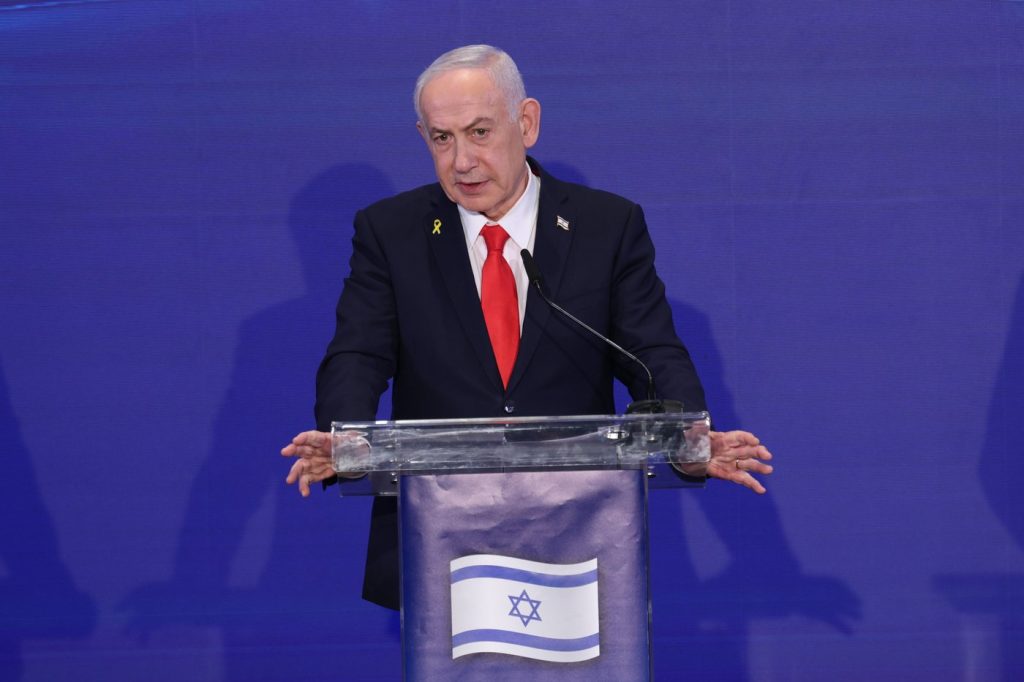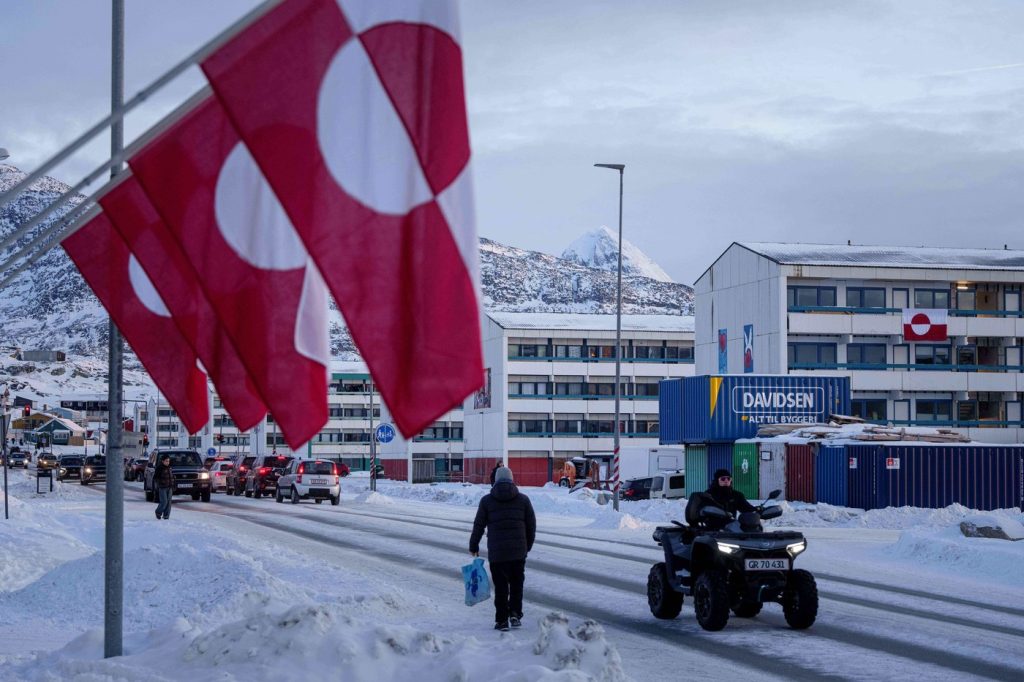
U.S., Danish, and Greenlandic officials recently convened in Washington to address the ongoing tensions surrounding President Donald Trump's aspirations regarding Greenland, which is a semiautonomous territory of Denmark. Concurrently, Denmark and various European allies have announced the deployment of troops to Greenland, signaling an intent to enhance the security of the vast Arctic island.
Danish Foreign Minister Lars Løkke Rasmussen, following discussions with U.S. Vice President JD Vance, Secretary of State Marco Rubio, and his Greenlandic counterpart, commented on a "fundamental disagreement" that remains between the nations. Despite acknowledging that they did not alter the American stance, he conveyed that no significant changes were anticipated during the meeting.
Amidst these discussions, all parties agreed to establish a high-level working group to "explore if we can find a common way forward." Løkke Rasmussen expressed hopes that this group's inaugural meeting could take place "within a matter of weeks." Details regarding the group's composition and objectives were not disclosed, but it has been indicated that the focus will be on addressing U.S. security concerns while respecting Denmark's "red lines." Denmark and the U.S. are NATO allies, which adds a layer of complexity to the negotiations.
While Løkke Rasmussen refrained from detailing what a potential compromise might involve, there is a general sentiment of cautious optimism surrounding the creation of the group. Danish Defense Minister Troels Lund Poulsen remarked that having this working group is preferable to having none, suggesting it is a step forward in fostering dialogue rather than allowing discussions to occur in absentia.
Trump has claimed that U.S. control over Greenland is crucial for national security, asserting that both China and Russia have interests in the territory, which is rich in untapped mineral resources. This assertion has been a cornerstone of his administration's argument for U.S. intervention in Greenland.
While negotiations were underway in Washington, the Danish Defense Ministry declared an uptick in military presence in Greenland, supported by NATO allies. France, Germany, Norway, and Sweden have each committed to sending small contingents of troops to demonstrate solidarity with Denmark. The British military has also contributed, with one officer joining a reconnaissance group for an Arctic endurance exercise. German officials confirmed the deployment of 13 troops, emphasizing their role in enhancing security amidst perceived Russian and Chinese threats in the Arctic.
Minister Poulsen stated that the Danish Armed Forces, in conjunction with Arctic and European allies, will explore ways to implement increased military presence and exercise activities in the Arctic. He mentioned plans to establish a more permanent military footprint, inviting allies to engage in joint training and exercises on a rotating schedule.
Although the current presence of European troops is largely symbolic, the timing of these deployments serves a dual purpose: to convey both political and military messages to the U.S. and to emphasize the importance of collaborative security strategies in the Arctic, independent of American control. Analyst Maria Martisiute noted that these efforts complicate the U.S. position by reinforcing the notion that Arctic security should be a collective responsibility.
These European initiatives are led by Denmark and are not directly coordinated through NATO, which has been traditionally U.S.-dominated. Nonetheless, the European allies express a desire to keep NATO in the loop. Germany has articulated the need for an informed assessment of the situation in Greenland for future discussions within NATO forums. Additionally, Poulsen and Greenland’s foreign minister are set to meet NATO Secretary General Mark Rutte to address Arctic security, with NATO exploring avenues to strengthen its presence in the region.
As dialogue continues and military plans are discussed, there is a palpable sense of urgency. Analysts stress the importance of initiating some form of military operation or deployment under NATO’s auspices to avoid paralysis within the alliance, which could have broader implications for collective security in the Arctic.