Greenland as a Geopolitical Symbol: Insights from Sophie Arts
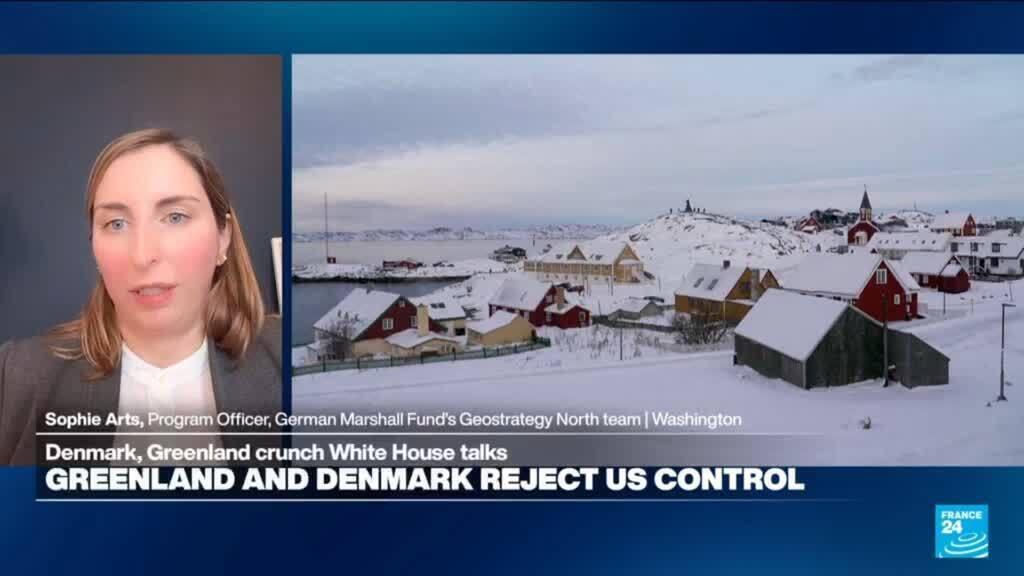
Mark Owen recently welcomed Sophie Arts, the Programme Officer at the German Marshall Fund's Geostrategy North team, for a discussion on the shifting dynamics of global geopolitics. Amid increasing geopolitical crises worldwide, Greenland has emerged as a significant focal point, representing a potential shift in the post-World War II order and highlighting the vulnerabilities faced by traditional alliances.
In her analysis, Ms. Arts emphasized the importance of recognizing the dynamic power landscape in which nations operate today. She noted that current geopolitical tensions require responses that prioritize dialogue, transparency, and robust multilateral frameworks. As emerging powers assert their influence and traditional alliances face unprecedented challenges, there is a pressing need to foster constructive communication between nations.
Ms. Arts drew attention to NATO, which has been a foundational alliance for 76 years. She articulated that the organization now stands at a crossroads, with a unique opportunity to transform existing challenges into strengths. She believes that the current rhetoric surrounding NATO can serve as a catalyst for creating a more united and cohesive alliance that can effectively address contemporary security threats.
Furthermore, Ms. Arts discussed Greenland's strategic significance, not only as a territory rich in natural resources but also as a key player in Arctic geopolitics. The melting ice caps have opened new shipping routes and access to previously untapped resources, raising interest from both NATO member states and non-member countries. This has elevated Greenland's status as a geopolitical pawn in the larger game of influence among global powers.
She also highlighted the importance of transparency within NATO, stressing that clear communication among member states is essential for building trust and ensuring collective security. In the face of growing skepticism about multilateralism, she urged NATO to reinforce its commitment to collaboration and shared values, which have been the bedrock of its longevity.
In conclusion, Ms. Arts's insights reflect the evolving nature of global power structures and the necessity for alliances like NATO to adapt. As geopolitical landscapes shift and new challenges emerge, fostering a unified stance through open dialogue and cooperation will be crucial for maintaining security and stability among member nations.