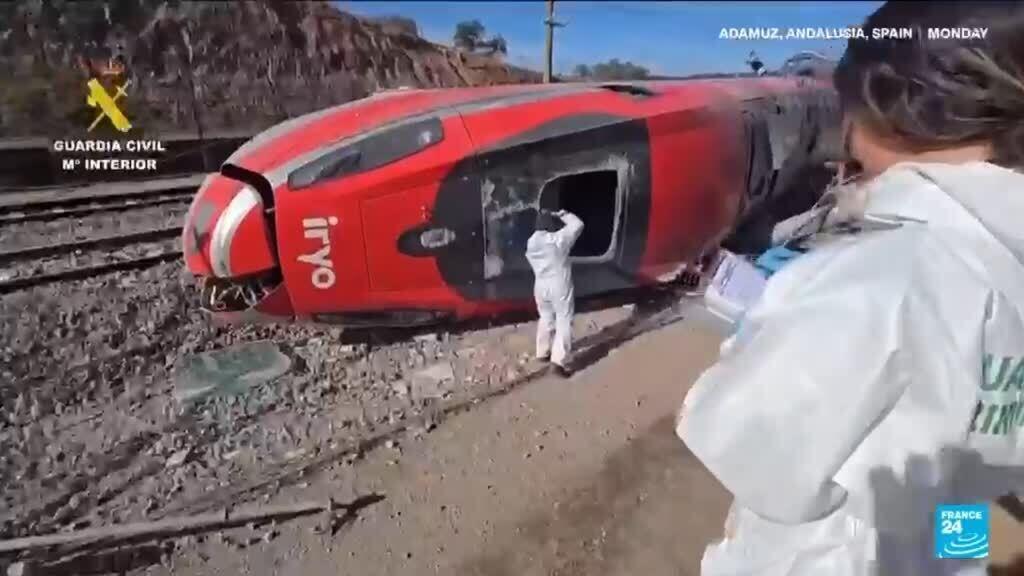
The death toll from a high-speed train collision in southern Spain has tragically risen to 40, following a devastating crash that occurred late on Sunday. This incident marks the deadliest train accident in Spain since 2013, when a catastrophic derailment outside the northwestern city of Santiago de Compostela claimed the lives of 80 individuals.
As the investigation into the causes of this latest disaster unfolds, the Spanish government has pledged to conduct a thorough inquiry to ascertain the circumstances surrounding the collision. The crash has sent shockwaves throughout the nation, prompting widespread expressions of grief and solidarity for the victims and their families.
The high-speed train, which was reportedly traveling between major cities, collided under circumstances that remain unclear. Eyewitness accounts describe scenes of chaos and destruction as emergency services rush to the scene, working tirelessly to assist survivors and recover those lost. The response from local authorities has been swift, with numerous first responders deployed to manage the aftermath of the collision.
Authorities are expected to analyze various factors that could have contributed to the crash, including mechanical, human, and environmental elements. The investigation will likely involve multiple agencies, including rail safety organizations, to ensure a comprehensive understanding of how such a tragedy could occur in a country with a generally robust rail safety record.
This incident follows a history of rail safety challenges in Spain, and the government’s commitment to transparency in the investigation reflects an effort to restore public trust in the rail system. The 2013 Santiago de Compostela disaster, which remains etched in the collective memory of the nation, serves as a stark reminder of the potential dangers associated with train travel.
As the nation mourns the loss of lives, the focus will not only be on the victims but also on improving safety measures to prevent future accidents. Spain's rail network is one of the most advanced in Europe and has been lauded for its high-speed services; however, this tragic event complicates its reputation and raises critical questions about safety protocols and maintenance practices.
The high-speed train collision highlights the vital importance of ongoing safety assessments and the need for innovative solutions to ensure the safety of passengers. Authorities will be under pressure to implement any necessary changes to prevent similar incidents in the future, emphasizing the need for rigorous oversight and adherence to safety regulations within the rail industry.
In conclusion, as investigations continue, the impact of this tragedy will resonate deeply within Spanish society, prompting calls for stronger safety measures and accountability. The need for a robust response to such incidents is imperative to uphold the integrity of Spain's rail system and to honor the memories of those who lost their lives in this heartbreaking accident.