NEW YORK (AP) An Iraqi national, Mohammad Baqer Saad Dawood Al-Saadi, is facing serious charges in federal court for allegedly plotting at least 18 attacks throughout Europe as a form of retaliation against the U.S. and Israel for their actions in the ongoing war with Iran. During his court appearance on Monday, Al-Saadi pleaded not guilty and controversially referred to himself as a “prisoner of war,” asserting that innocent children and women were being killed “by your rockets.”
Al-Saadi's courtroom demeanor became more contentious when he initially refused to sit down, ultimately requiring two marshals to guide him to his seat. Although his disruptions were not overtly aggressive, he voiced his opinions about the charges laid against him while responding to the judge's questions. Legal documents reveal that he is accused of conspiring to provide material support to two organizations classified as foreign terrorist entities by the U.S. government: Kata'ib Hizballah, an Iranian-backed Iraqi Shia militant group, and Iran's Islamic Revolutionary Guard Corps.
In his defense, Al-Saadi's lawyer, Andrew Dalack, claimed that the defendant was employed by the Iraqi government, although he did not clarify the nature of Al-Saadi's position. Dalack disclosed that Al-Saadi had previously spent two weeks imprisoned in an underground facility in Turkey before being handed over to the FBI. Commenting on Al-Saadi’s treatment, the judge expressed concern for his unpleasant experiences during captivity.
Currently, Al-Saadi is being held in solitary confinement at a federal detention facility in Brooklyn. His lawyer expressed the hope that Al-Saadi would soon be able to reach out to diplomatic officials from Iraq as well as his family, though he anticipated that the U.S. government would impose significant restrictions on such communications. The attorney also emphasized that Al-Saadi believed he was being targeted due to his past association with Qasem Soleimani, the Iranian Revolutionary Guard leader killed by a U.S. drone strike in January 2020.
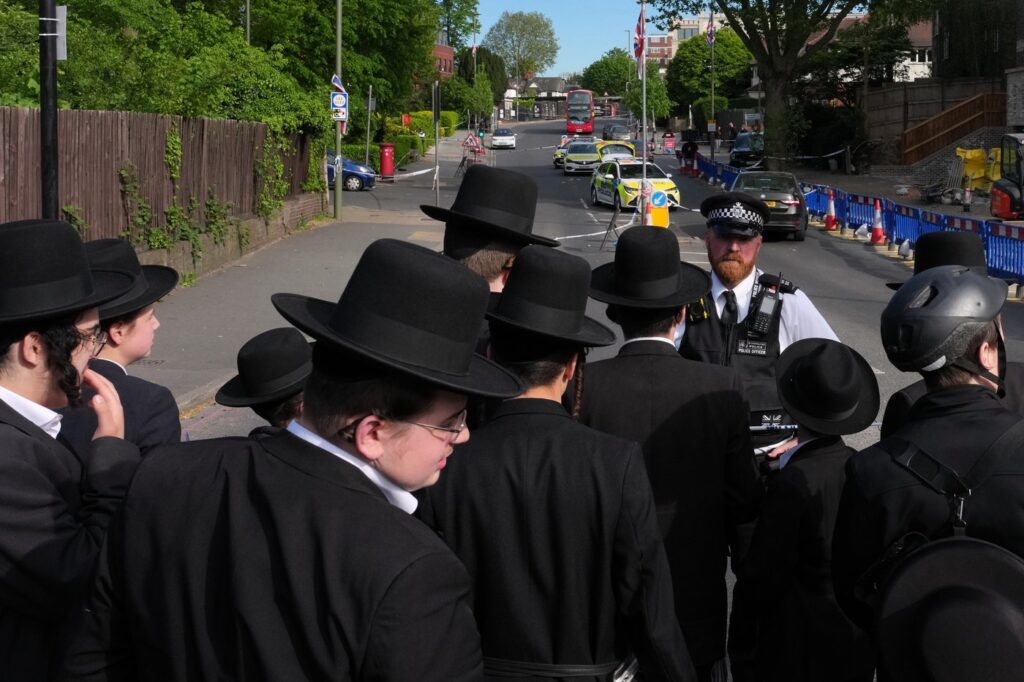
Among the attacks that Al-Saadi is allegedly involved in are the firebombing of a bank in Amsterdam and a series of stabbings targeting Jewish men in London. Furthermore, he is accused of attempting to attack a synagogue in New York City last month and of providing an undercover law enforcement officer with detailed images and maps of Jewish centers located in Los Angeles and Scottsdale, Arizona, which were also intended targets.
Federal prosecutors have also tied Al-Saadi to assaults in Canada, including an attack on a synagogue and a shooting incident at the U.S. consulate in Toronto in March. Allegations suggest that Al-Saadi not only directed these actions but actively incited others to target U.S. and Israeli interests, with the specific aim of killing Americans and Jewish individuals.
Moreover, Al-Saadi has reportedly used social media platforms like Snapchat and Telegram to post about these attacks. In addition, he engaged in phone conversations with an FBI informant, who assisted him in planning potential assaults on U.S. soil according to court documents. The swirling narratives surrounding Al-Saadi's situation underline the complexities of international law, terrorism, and the geopolitical ramifications of his alleged actions.