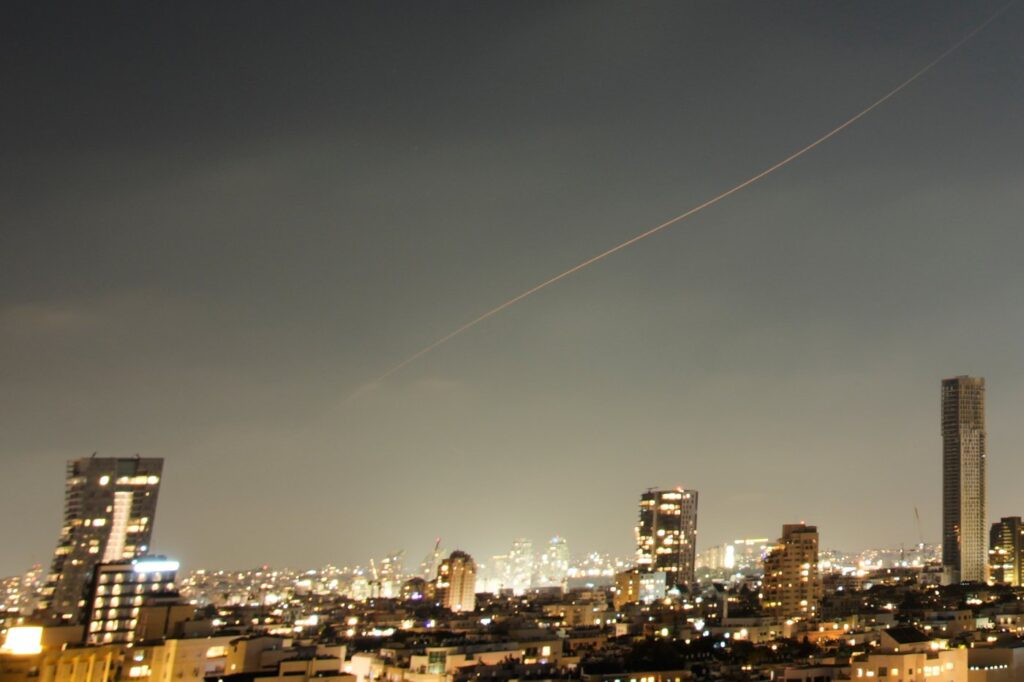
On June 7, 2026, Iran launched missiles at Israel for the first time since a fragile ceasefire took effect in early April, heightening tensions and jeopardizing mediation efforts aimed at resolving the ongoing conflict. Iran's state broadcaster confirmed the missile strikes, following an Israeli airstrike in Beirut's southern suburbs that took place without warning, violating a previous plea from the United States for restraint. In the midst of these retaliatory actions, sirens rang out across various regions in Israel, prompting millions of citizens to seek shelter.
The Israeli military reported successful interception of the missiles, with multiple explosions heard in northern Israel. Following the incident, the military eased restrictions, allowing individuals in fortified regions to leave their shelters. Brig. Gen. Effie Defrin of the Israeli military stated, "Iran has made a grave mistake," while Lt. Gen. Eyal Zamir emphasized readiness to strike back decisively when ordered.
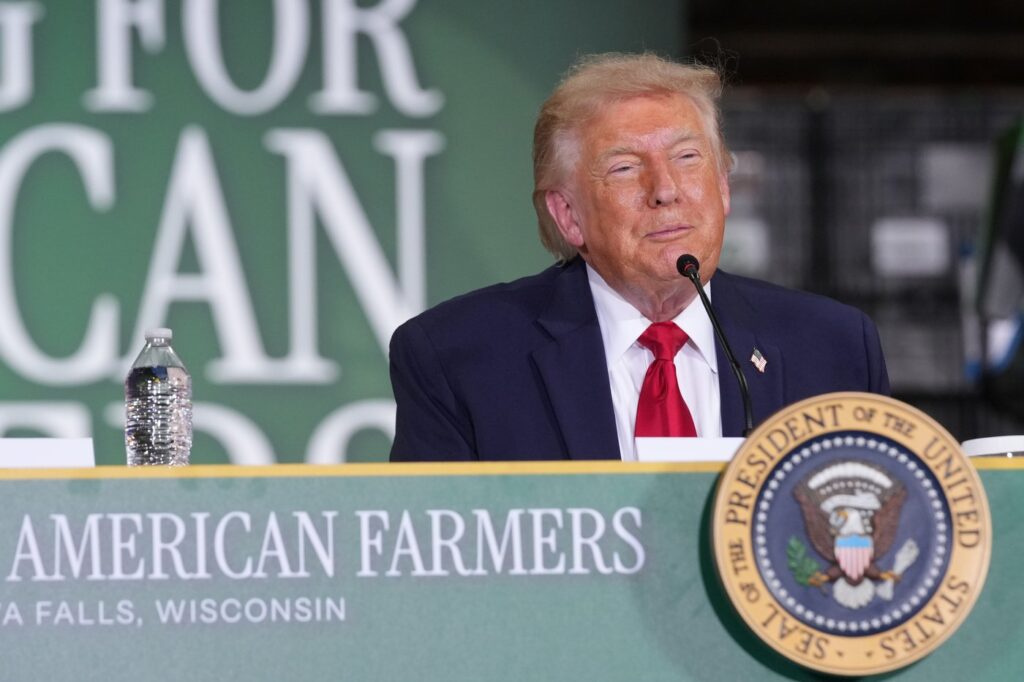
Despite the escalating situation, U.S. President Donald Trump urged Israeli Prime Minister Benjamin Netanyahu to refrain from immediate retaliation against the Iranian attacks. According to a senior U.S. official, Trump communicated with Netanyahu in a private phone call, resulting in the Israeli leader agreeing to delay military action for the time being. The official stated, "Trump got Bibi to hold off for the time being," but neither Netanyahu's office nor Trump provided additional comments on the call.
Iran had previously warned that any attacks on Beirut would reignite full-scale conflict across the Middle East, even as Pakistan and other nations attempted to mediate discussions between Iran and the U.S. Following the missile launches, the U.S. Central Command announced its forces in the Middle East were on high alert. The U.S. Embassy in Israel also instructed its employees and their families to shelter in place due to the heightened security threat.
On the diplomatic front, Iranian Foreign Minister Abbas Araghchi communicated with officials from France, Qatar, Saudi Arabia, Britain, Egypt, and Turkey, expressing Iran's stance on the ongoing hostilities. Diplomacy has been complicated by Iran's insistence that any ceasefire agreement include a resolution regarding the situation in Lebanon, where Israeli attacks have targeted Hezbollah positions following the militant group's fire at northern Israel.
Despite the sensitive diplomatic landscape, Trump expressed his dissatisfaction with Israel’s airstrike in Lebanon, noting that it was not coordinated with the U.S. and describing it as unwarranted. As tensions flared, Iran's closure of its western airspace was a precautionary measure against a potential Israeli response.
In conclusion, the complex web of military actions, diplomatic negotiations, and public pressure on Netanyahu creates a precarious situation. Netanyahu is facing significant domestic pressure to respond to the Iranian threat, yet adherence to Trump's guidance complicates his strategic choices, reflecting the delicate balance of power in the region.