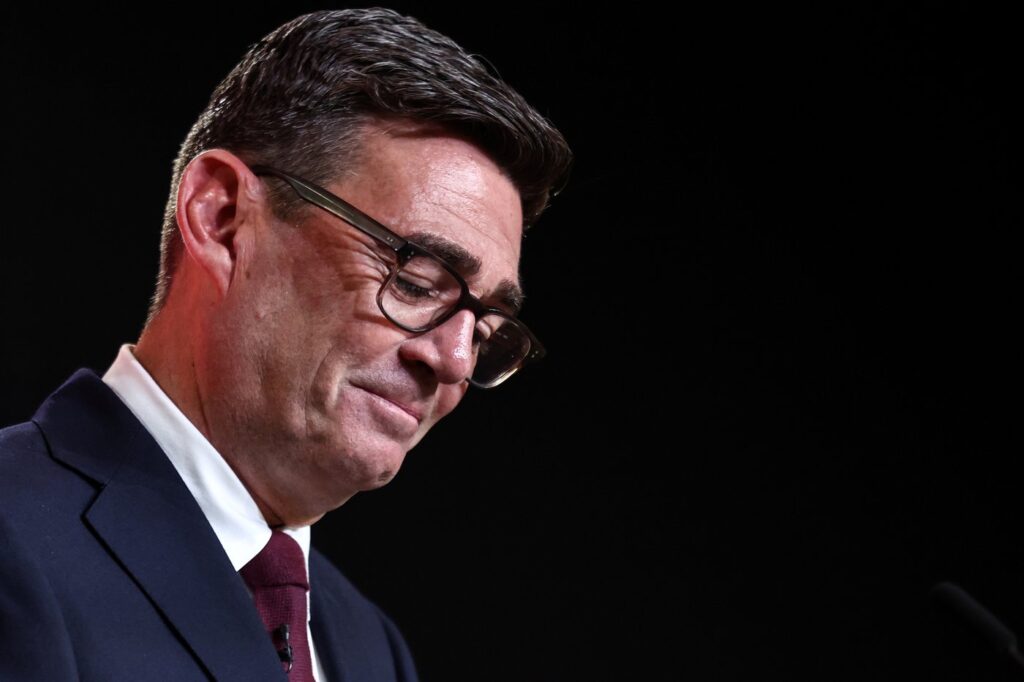
LONDON (AP) - Andy Burnham will officially assume the role of British Prime Minister on Monday, buoyed by significant public support yet faced with myriad challenges. His tenure comes at a critical time marked by a cost-of-living crisis, the need to bolster overstretched public services, and navigating complex international conflicts in Ukraine and the Middle East.
After spending most of the last decade managing Greater Manchester, Burnham recently secured his return to Parliament through a special election. Transitioning from overseeing a region of 3 million people to governing a nation of 70 million will introduce vastly more complex issues, and his leadership will be rigorously tested.
Economic Revitalization and Decentralization
One of Burnham's significant tasks will be to invigorate the struggling economy and address service shortcomings across the UK. He has remained somewhat ambiguous regarding specifics, committing to unveil detailed plans in the coming week to finance initiatives aimed at enhancing public services and living standards. He characterized the moment as a historic turning point in UK politics, suggesting an ambitious agenda to foster affordability and equity across regions.
Burnham inherits an economy that had been on an upward trajectory until the recent Iran conflict disrupted growth forecasts. With inflation rising, public finances are already strained, limiting Burnham's capacity to increase spending. He is bound by commitments made by his predecessor, former Prime Minister Keir Starmer, who ruled out tax hikes. However, Burnham has indicated he is open to exploring alternative revenue sources, including a potential wealth tax.
Foreign Policy Challenges
Burnham's foreign policy experience is limited, but he has expressed a commitment to maintaining the UK's support for NATO and its nuclear deterrent. He intends to continue backing Ukraine and upholding strong ties with the United States. His relationship with President Donald Trump could prove crucial; previous engagements have been marked by both admiration and criticism. Burnham aims to balance respect with candid disagreement while navigating the complexities of defense spending demands that may arise from Trump’s influence.
The UK’s current defense plan, which proposes a £15 billion ($20 billion) boost, has been described as inadequate by military leaders, putting additional pressure on Burnham to meet or exceed defense spending targets.
Navigating the Israel-Hamas Conflict
Another sensitive area on Burnham's agenda is the ongoing conflict between Israel and Hamas. He has publicly criticized Starmer's policies regarding the situation, condemning the initial Hamas attacks that occurred on October 7, 2023, while asserting that the UK government delayed in calling for a ceasefire. With more than 73,000 Palestinian fatalities reported, Burnham has suggested the UK might impose further sanctions against individuals tied to violence in Gaza and illegal settlements in the West Bank.
His position on this issue could prove controversial within the Labour Party, which has faced accusations of antisemitism in previous years and is keen to maintain support from both Jewish and Muslim communities.
Migration Policies
During his acceptance of the Labour leadership, Burnham notably avoided addressing immigration, a significant topic for many voters. The UK is experiencing a notable influx of migrants due to various global crises, with concerns about dangerous crossings of the English Channel fostering anti-immigration sentiment. Despite these concerns, Burnham intends to adhere to Labour's existing approach to immigration, which aims to significantly decrease net migration figures.
Burnham supports ongoing efforts to structure legal migration routes while advocating for reductions in net migration numbers. His previous vote in favor of measures aimed at curtailing unsafe channel crossings underscores his commitment to balancing immigration control with humanitarian concerns.
As Burnham steps into his new role with enthusiasm, he will quickly need to tackle these pressing issues to earn the confidence of his party and the British public.