PLYMOUTH, Mass. (AP) After a tumultuous four-day deliberation period, jurors in the Lindsay Clancy trial concluded Tuesday without reaching a verdict. The jury informed Judge William Sullivan that they could not unanimously agree on whether Clancy, a mother from Massachusetts, holds criminal responsibility for the tragic deaths of her three children.
Upon entering the courthouse, the jury sent a note indicating their impasse after numerous hours of discussion. Recognizing the complexity of the case, Judge Sullivan urged them to persevere in their deliberations. This marked the jury's first acknowledgment of difficulty in reaching a consensus in what has emerged as a high-profile trial focused on critical issues surrounding maternal mental health following childbirth.
Lindsay Clancy, 36, a former labor and delivery nurse, has openly admitted to strangling her children—Cora, 5, Dawson, 3, and Callan, 8 months old. However, she contends that her actions were influenced by postpartum psychosis. Prosecutors argue that she was aware of her actions, while Clancy has entered a plea of not guilty by reason of lack of criminal responsibility.
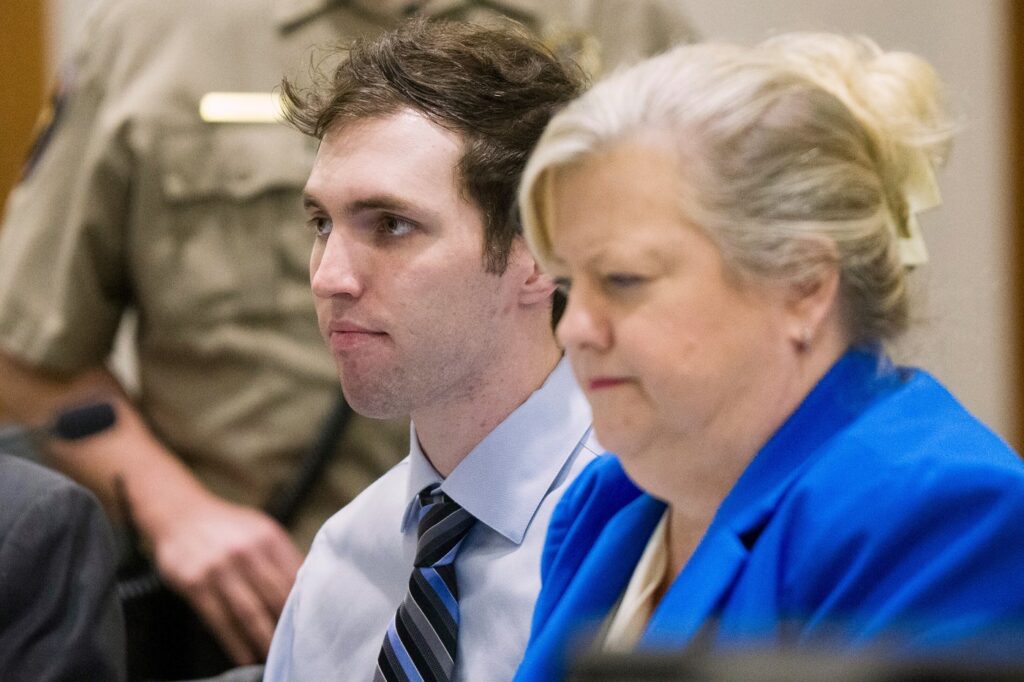
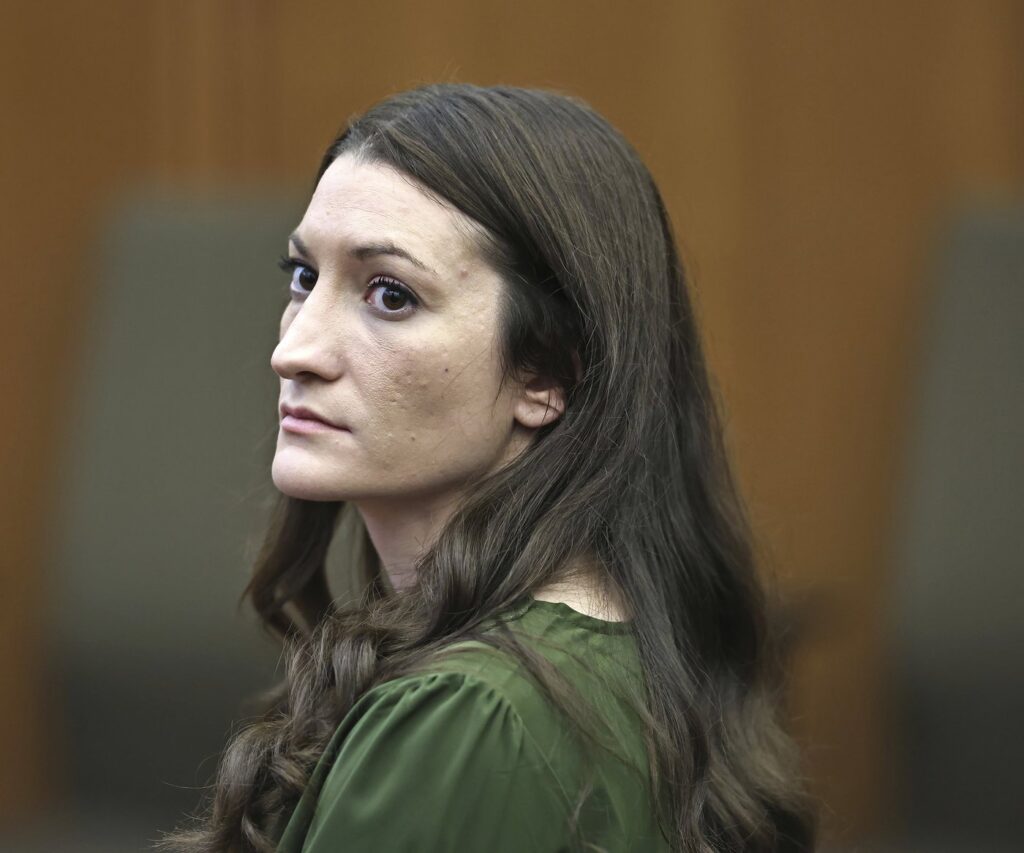
As the jury entered the courtroom to express their deadlock, Clancy remained stoic, looking ahead. In light of the trial's extensive nature, featuring over 80 witnesses and more than 300 exhibits, Judge Sullivan requested that they return to deliberation in hopes of reaching a verdict.
The jurors began deliberating on Thursday afternoon, with the potential outcomes ranging from a conviction for murder or manslaughter to an acquittal if they find her mental health condition significantly influenced her actions. A conviction could lead to a life sentence in prison, while an acquittal might still see Clancy confined to a mental health facility if determined to be a danger to herself or others.
If the jury cannot reach a verdict and a mistrial is declared, the charges against Clancy would remain active. Prosecutors would then need to decide whether to retry her with a new jury. Alternatively, they might propose a plea deal, although Clancy's defense attorney could advocate for the charges to be dropped entirely.
According to defense attorney Kevin Reddington, the jury's continued efforts signify a commitment to thoroughly consider the case. He expressed optimism that the jurors are dedicated to resolving the matter rather than conceding defeat.
The trial has revolved heavily around Clancy's mental health, a point emphasized during the extensive testimony phase lasting over four weeks. Her legal team has argued that Clancy loved her children deeply but was overwhelmed by bipolar disorder and postpartum psychosis, a severe mental illness that can manifest following childbirth.
Prosecutors, however, maintain that Clancy deliberately chose to kill her children, asserting that her mental state was rooted in depression and despair. A forensic psychologist testifying for the prosecution suggested that Clancy's motivations were tied to a desire to end her own life while sparing her children from a troubled existence.
Witness testimony included accounts from Clancy's mother and sister, who described her escalating anxiety, paranoia, and suicidal tendencies following the birth of her third child. Evidence was presented that Clancy sought professional treatment for her deteriorating mental health, including a psychiatric hospital stay in the months leading up to the tragic events.
On the day of the incident, less than three weeks after her hospital discharge, Clancy killed her children in the basement of their home south of Boston using exercise bands. Afterward, she jumped from a window, leading to her current paralysis from the waist down. Her defense asserts that during the incident, Clancy experienced auditory hallucinations dictating that she should kill her children to escape her suffering.
Notably, Clancy did not testify during her trial but observed the proceedings closely. The emotional toll was evident as she reacted to graphical evidence presented in court, including autopsy photos of her children. Jurors were also privy to harrowing testimony from her ex-husband, Patrick Clancy, who discovered the horrific scene and made an anguished 911 call.
Patrick Clancy publicly expressed a willingness to forgive his ex-wife, viewing her more as a victim of mental illness than as a criminal. This trial marks the first time he has seen Lindsay since the tragic deaths, adding a further layer of emotional complexity to the case.
Postpartum psychosis, a condition pinpointed as central to Clancy's defense, is significantly rarer than postpartum depression, affecting an estimated 1 to 2 out of every 1,000 women following childbirth.