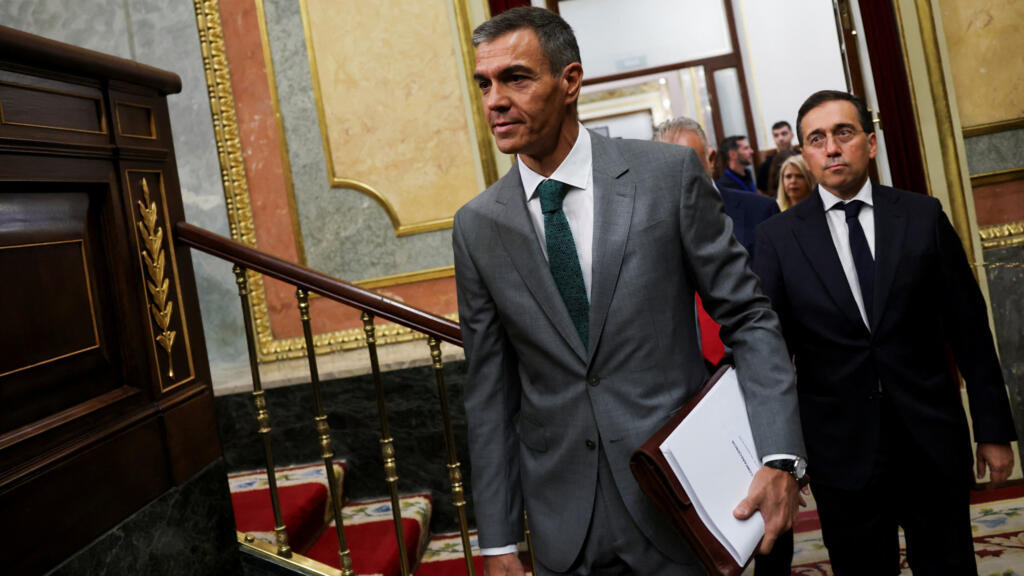
On Thursday, Spanish Prime Minister Pedro Sanchez addressed the recent concerns regarding a significant influx of migrants into Ceuta, a Spanish autonomous city located on the northern coast of Africa, near Morocco. This influx occurred in July and has raised questions about the involvement of Moroccan authorities in orchestrating such a movement of people across the border.
Sanchez emphasized that there is currently no "solid proof" to support claims that Morocco deliberately initiated the migrant surge into Ceuta. His statement comes in response to a police report that has surfaced, which points to various shortcomings within the Moroccan security forces. This report suggests that there may have been failures in effectively managing the situation, but it stops short of accusing the Moroccan government of intentionally facilitating the migration.
The context of this issue is rooted in the ongoing complexities of migration in the region, where Ceuta and nearby Melilla serve as key entry points for migrants seeking refuge in Europe. The July incident saw thousands of migrants attempting to cross into Ceuta, often facing perilous conditions in the process. These events have historically put a strain on Spanish and Moroccan relations, leading to heightened scrutiny over how both nations manage their borders and the responsibilities they hold in addressing migration.
Adding to the mix, the police report detailed several operational deficiencies within the Moroccan security framework, indicating that despite the potential for mismanagement, it does not implicate the Moroccan government in a coordinated effort to push migrants toward Ceuta. Sanchez's remarks aimed to clarify Spain's position and reaffirm the importance of cooperation between Spain and Morocco in managing migration effectively.
This situation is emblematic of the broader challenges facing European countries as they grapple with migrant crises and search for comprehensive solutions that balance humanitarian responsibilities with security concerns. The relationship between Spain and Morocco will likely continue to be tested as both nations navigate the complexities of migration policies, border control, and diplomatic relations.
In summary, Sanchez's remarks highlight the need for a nuanced understanding of the factors driving migration to Ceuta and the roles that various stakeholders, including regional governments like Morocco, play in the context of border security and humanitarian assistance. The absence of concrete evidence regarding Moroccan orchestration of the migrant rush sheds light on the need for transparent investigations and dialogues as both countries work to address the ongoing migration challenges.