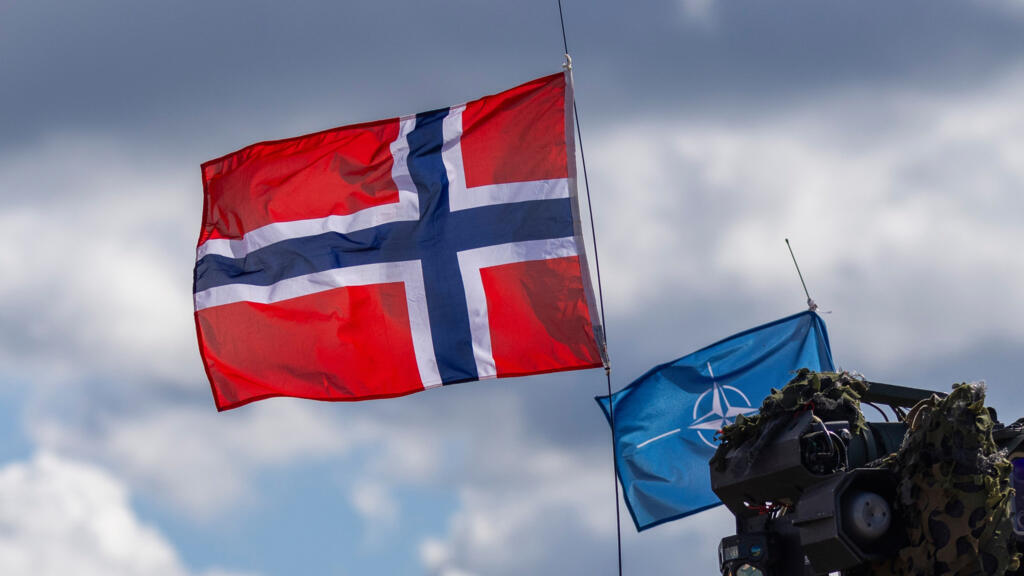
Norway has taken significant legal actions by seizing a Russian ship as part of ongoing efforts related to Ukrainian state energy firm Naftogaz’s recovery of funds awarded after Russia's annexation of Crimea in 2014. The vessel, named Professor Molchanov, was detained near the Arctic Svalbard archipelago following a ruling by a Norwegian court that mandated the ship's arrest.
The seizure pertains to a substantial financial compensation of $4.22 billion, which was granted to Naftogaz after a legal dispute concerning the expropriation of its assets in Crimea by Russia. This ruling highlights the complex geopolitical tensions between Ukraine and Russia, particularly in the context of energy resources and territorial integrity.
In recent years, Norway has positioned itself as a staunch ally of Ukraine in its conflict with Russia, and this action against the Professor Molchanov underscores its commitment to support Ukraine's sovereignty. Legal experts suggest that the cooperation between Norway and Ukraine may influence future maritime laws and the enforcement of international judgments against Russian assets held in foreign territories.
The arrest of the Professor Molchanov, a research vessel, reflects an increasing willingness among European nations to take definitive steps against Russian ventures, particularly in the backdrop of the ongoing war in Ukraine. As nations worldwide scrutinize Russian activities, actions like these may set important precedents in the enforcement of asset recovery for nations it has wronged.
Maritime law and international relations play a crucial role in such incidents, where the legitimacy of a country’s claims over foreign assets comes into question. Observers highlight that the Norwegian court's decision may serve as a persuasive case for other nations grappling with similar issues, laying a foundation for collective action against illegal asset seizures by Russia.
Norway's legal and diplomatic strategies not only reinforce its position on the global stage but also respond to the humanitarian and economic crises caused by the conflict. The support for Ukraine and the support of international legal norms help ensure accountability for actions taken by the Russian government during the long-standing conflicts surrounding Crimea and beyond.
Furthermore, the detention of the Professor Molchanov brings into focus the broader implications of maritime operations in politically sensitive areas. As countries increasingly engage in maritime security, there are concerns regarding escalations in confrontations over territorial waters and resource allocations in the Arctic region.
This incident serves as a reminder that the shadow of the war in Ukraine continues to affect international relations and trade, influencing the actions of nations far beyond the immediate conflict zone. Countries are urged to navigate the complex interplay of diplomacy, security, and legal frameworks in their response to Russian actions, highlighting an urgent need for comprehensive policies addressing aggression and territorial disputes.
As the situation develops, it will be crucial to monitor how these legal precedents impact future cases involving state-owned enterprises and the enforcement of international law against asset seizures, particularly concerning countries embroiled in geopolitical disputes.