HAVANA (AP) — On Thursday, the U.S. government implemented new sanctions against Cuba in an effort to further cripple the island's economy amidst its ongoing crises. The sanctions primarily target Fidel Ernesto Castro, the grandson of former President Raúl Castro, and the Oil Industry Supply Import Company of Cuba, known as Abapet. This company is crucial for importing specialized equipment and spare parts necessary to support Cuba’s failing power grid.
The U.S. administration’s strategy aims to take Cuba’s essential machinery offline and exacerbate its existing energy crisis. According to Brett Erickson, a sanctions expert and managing principal at Obsidian Risk Advisors, the objective is to apply immense pressure on the Cuban government. “The U.S. is trying to really tighten the screws as much as possible,” he stated.
Erickson also noted the Trump administration’s apparent lack of willingness to engage in dialogue with Cuba, aside from seeking regime change. Also mentioned was U.S. Secretary of State Marco Rubio’s unwavering stance. Erickson emphasized that Cuba’s leadership would need to find ways to circumvent the sanctions, albeit such alternatives would likely be more expensive, contributing to inflation and further damaging the economy.
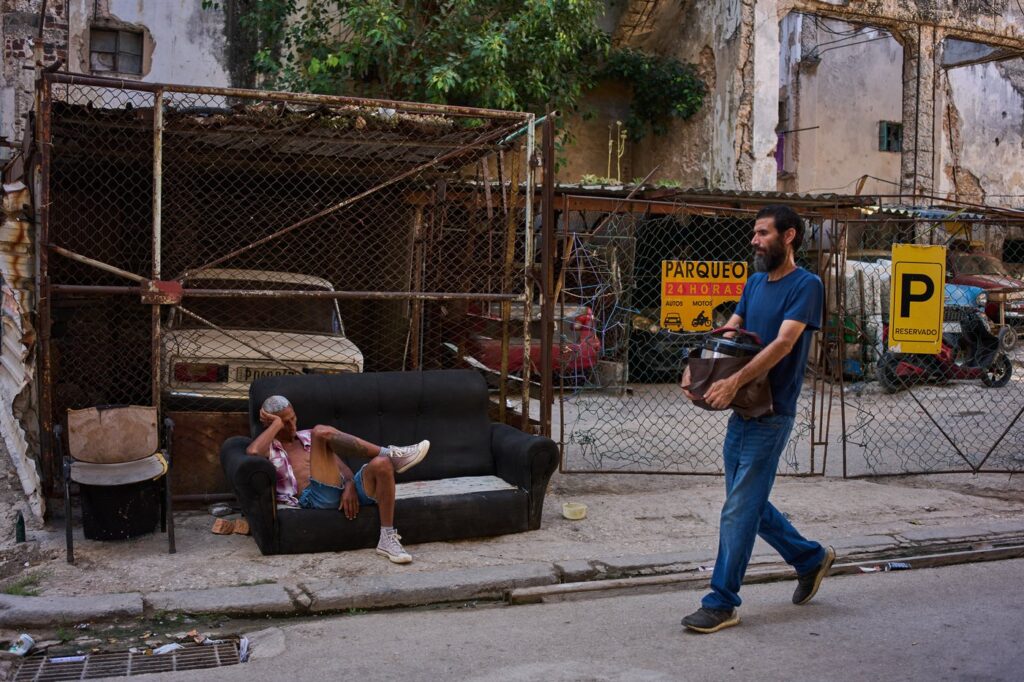
Cuba has experienced increasingly frequent islandwide blackouts, with daily outages now lasting over 24 hours due to the deteriorating electrical grid and dwindling fuel reserves. This situation worsened after Donald Trump threatened tariffs on any country that sold or provided oil to Cuba. “The goal in theory is to create so much civilian hardship and suffering that they have no option but to essentially rise up and topple their government,” Erickson commented, suggesting that these sanctions are intended to instigate a humanitarian crisis.
While talks between the U.S. and Cuba were suspended earlier this year, sanctions have escalated. Erickson anticipates that the U.S. may continue to target smaller state companies to push them into a “death spiral.” Previous sanctions have already affected various Cuban state-owned enterprises, including the oil and gas sectors.
On the same day the sanctions were announced, Cuban officials held a press conference detailing recent economic reforms approved in June. When asked about the challenging conditions in Cuba, Deputy Prime Minister Oscar Pérez-Oliva Fraga attributed the issues to U.S. government actions, characterizing the blockade as a form of genocide.
Among the Cubans facing hardships due to power outages is 49-year-old Yaqueline Bernal, who reported having no electricity since Sunday and expressed concern for her eight young grandchildren. “If we don’t have power, we don’t have water. You really don’t know what’s going to happen to you,” she said, reflecting the widespread anxiety felt by many residents.
Cuba’s ambassador in Mexico, Eugenio Martínez Enríquez, condemned the sanctions, accusing “neofascists” of seeking to undermine the lives of ordinary Cubans through attrition. Meanwhile, Rubio defended the sanctions on social media, stating that those targeted are part of the corrupt financial and intelligence networks associated with the Castro regime. He claimed that the Communist elites in Cuba preside over a failed state while ordinary citizens struggle to survive, and he asserted that Trump and he remain committed to ensuring Cuba’s freedom.
As the situation evolves, the tension between the U.S. and Cuba continues to deepen, further complicating the prospects for change on the island. The culmination of ongoing sanctions and economic hardships paints a challenging picture for the Cuban populace as they navigate an increasingly bleak reality.