France Records Hottest Summer with Extreme Weather Challenges
In 2023, France has endured its hottest summer on record, facing a series of intense heatwaves, severe drought conditions, and large-scale wildfires. These extreme weather patterns have not only impacted the daily lives of citizens but have also taken a significant toll on various sectors, particularly agriculture. As the situation evolved, the national weather service issued alerts across several regions in response to the ongoing climate crisis.
Throughout the summer months, temperatures soared, with several areas in France experiencing catastrophic levels of heat. By early September, this trend showed little sign of abating, as the national weather service placed five departments on orange alert due to ongoing high temperatures that were predicted to reach 40°C in some locations. This alarming forecast underscores the persistent and escalating nature of the heatwave that has gripped France this year.
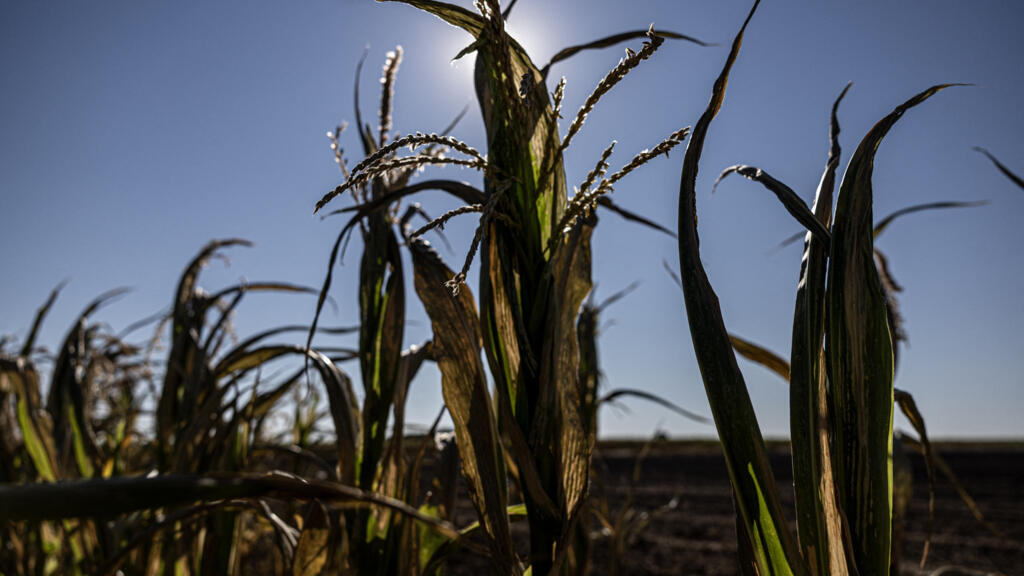
The agricultural sector has been among the hardest hit, facing devastating effects from the prolonged heat and drought. Farmers and producers have struggled to maintain crop yields, and livestock has also suffered due to the extreme conditions. Recognizing the urgency of the situation, France's Agriculture Minister announced a significant package of aid aimed at alleviating some of the pressures faced by the agricultural community. The plan includes unlocking over 1 billion euros in financial assistance dedicated to supporting farmers who have been severely affected by the harsh summer weather.
This emergency funding is expected to assist in various ways, including compensating for losses and providing resources necessary for recovery and adaptation. The support aims to mitigate the immediate impact of the severe weather while paving the way for longer-term resilience strategies to combat future climate-related challenges. The government's intervention highlights the seriousness of the situation and the urgent need for effective measures to protect the agricultural sector, which is a vital component of France's economy and cultural identity.
The ongoing extreme weather events in France reflect broader global trends related to climate change, where rising temperatures and erratic weather patterns are becoming increasingly commonplace. This troubling reality has implications not just for agricultural output but also for food security, economic stability, and environmental health. The situation calls for a concerted effort from policymakers, scientists, and local communities to address the root causes of climate change while promoting sustainable practices that can better withstand future extremes.
As France navigates these challenges, the situation serves as a stark reminder of the vulnerabilities inherent in the country’s agricultural systems and the urgent need for adaptive strategies. With financial support now in motion, the focus will be on effective implementation and collaboration at all levels to ensure that the agricultural sector can rebound and thrive despite the adverse conditions posed by climate change.
In conclusion, the record heat this summer has not only tested the resilience of France’s natural and economic systems but calls into question the preparedness and adaptability of societies in the face of inevitable climatic changes. The government’s proactive measures will play a crucial role in shaping the future landscape of France’s agriculture and its response to similar challenges that lie ahead.