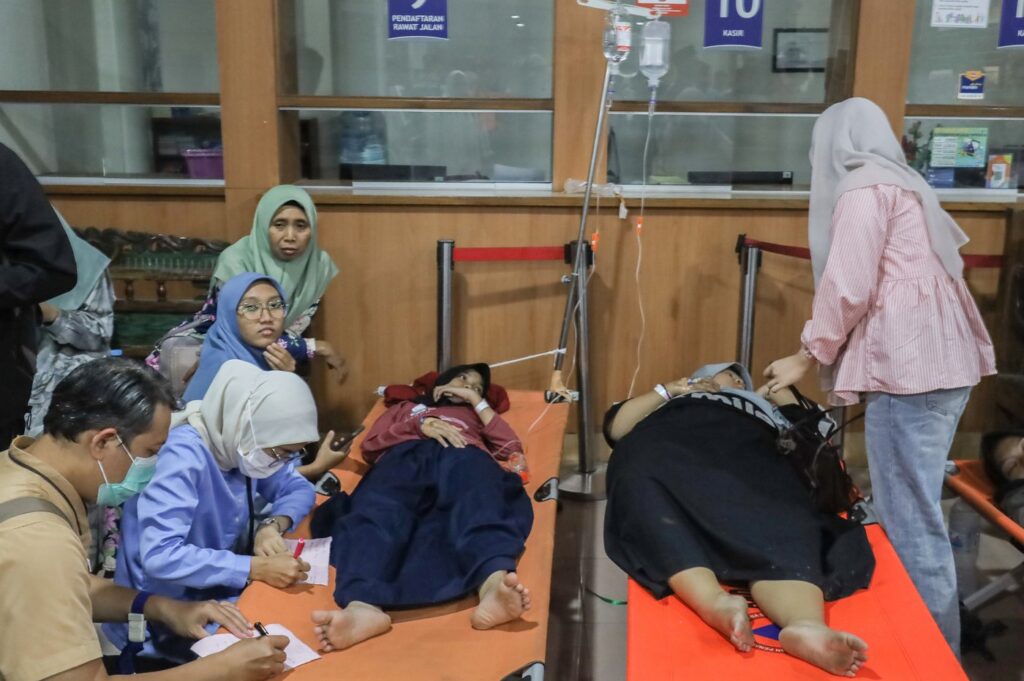
JAKARTA, Indonesia (AP) — Nearly 2,000 individuals, predominantly students, reported illnesses linked to suspected food poisoning stemming from President Prabowo Subianto's flagship Free Nutritious Meals program this week. Officials indicated that the incidents raised heightened concerns regarding food safety as the government rapidly expands this multibillion-dollar initiative across the nation.
Between Tuesday and Thursday, outbreaks were documented in East Java, Central Java, West Sumatra, Aceh, and South Sulawesi, affecting approximately 1,950 students, teachers, and Islamic boarding school pupils who consumed meals distributed under the program, known by its Indonesian acronym MBG.
These outbreaks mark yet another setback for Prabowo's signature free meals initiative, which has been implemented throughout Indonesia despite enduring food poisoning incidents and ongoing corruption allegations. The most significant outbreak was recorded in Central Java's Rembang regency, where 752 students and 25 teachers from State Senior High School 1 Lasem experienced symptoms such as diarrhea, nausea, vomiting, and stomach pain following their consumption of the provided meals, according to Ali Syofi’i, head of the Rembang Health Office.
In Sidoarjo, East Java, another 730 individuals, primarily students from the Manbaul Hikam Islamic boarding school, faced similar food poisoning symptoms. Lakhsmie Herawati Yuwantina, chief of the Sidoarjo health office, reported that 706 victims had been discharged and were on the path to recovery at home.
Additionally, 276 suspected cases were reported in Agam regency, West Sumatra, prompting the local nutrition service center to suspend food distribution pending further investigation. In Aceh's Bener Meriah regency, 15 elementary school students and a school principal received treatment after displaying dizziness, nausea, and other related symptoms following a school meal. In South Sulawesi, 152 students from two junior high schools in Tana Toraja were treated at three hospitals after developing symptoms indicative of food poisoning. Regent Zadrak Tombeq requested prioritized treatment for these victims in local health facilities.
No fatalities have been reported, and an investigation into the causes of these outbreaks is currently underway. These latest incidents contribute to a rising tally of food poisoning cases associated with the program since its inception in January 2025. According to surveillance data from the Health Ministry as of September 2, food poisoning incidents related to MBG have affected 50,059 individuals across 560 cases spread over 245 districts and cities in 36 provinces.
During a hearing with the House's Commission IX overseeing health issues, Sudaryono, head of the National Nutrition Agency, disclosed that internal reviews indicated approximately 80% to 90% of prior food poisoning instances were due to a failure to adhere to food safety protocols. Specific oversights included regulations concerning food storage, ingredient receipt, temperature control, and consumption deadlines.
Sudaryono emphasized that the recent outbreaks in Sidoarjo, Agam, Rembang, and other areas have been a significant setback for their efforts. He acknowledged that the agency is intensifying oversight of meal providers and is in the process of reviewing around 27,000 meal distribution centers nationwide. During inspections, hundreds of ostensibly fictitious facilities have been identified, and at least 833 kitchens have been closed for failing to satisfy hygiene and sanitation standards.
The Free Nutritious Meals program aims to tackle malnutrition and reduce childhood stunting by delivering meals to nearly 90 million students, toddlers, and pregnant women. Expected to cost around $28 billion through 2029, the initiative serves as a cornerstone of Prabowo's administration and is one of his primary campaign pledges.