In a significant turn of events, a group of chimpanzees that had previously been used in laboratory experiments for hepatitis B vaccine research have undergone health assessments at their new sanctuary in Liberia. This initiative aims to provide these chimpanzees with a possibility of a normal and healthy life after years of invasive research.
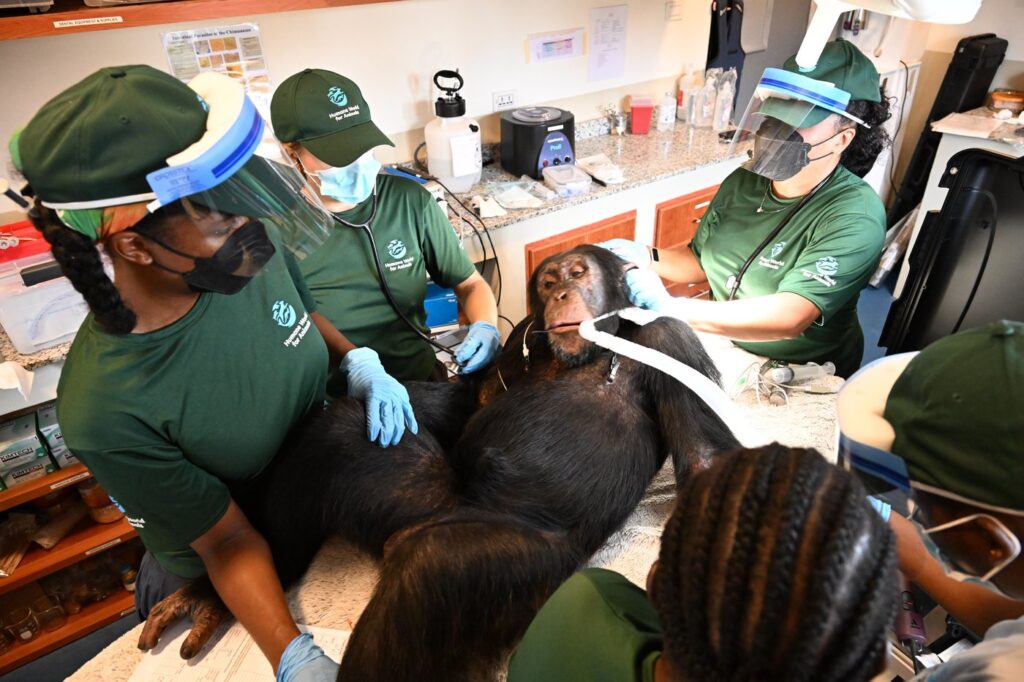
The health checks were conducted at the Humane World for Animals' Second Chance Chimpanzee Refuge, located in central Liberia. The assessments varied widely and included procedures such as teeth cleaning, X-rays, and pedicures. Liliana Pacheco Ricote, the director of the sanctuary, detailed these examinations, emphasizing their importance in reviving the chimps' health.
Historically, over 400 of these chimpanzees participated in hepatitis B vaccine experiments conducted by American researchers in Liberia from the 1970s until the early 2000s. Many of these chimpanzees were captured in the wild during infancy. Today, Liberia is home to the second-largest population of chimpanzees in West Africa, following Guinea, and the West African chimpanzees are sadly classified as a critically endangered species due to their rapidly declining numbers.
Ricote highlighted the painful past these animals endured through invasive research procedures that caused them significant trauma and suffering. In 2015, the Humane World for Animals took permanent responsibility for 60 chimpanzees that remained after the research program concluded. Currently, these chimpanzees reside primarily on a series of islands covered in mangrove forests within the sanctuary.
The health checks, performed under anesthesia, included comprehensive head-to-toe exams aimed at assessing long-term health, identifying early signs of disease, and creating tailored care plans as the animals age. The tests encompassed dental examinations and evaluations of the heart, lungs, and nervous system, along with blood tests. Additionally, these chimpanzees received booster vaccinations and fingernail trims, showcasing a commitment to their overall well-being. Plans are in motion to conduct similar assessments for the remaining chimpanzees.
Belen Perez Hernando, the veterinarian at the sanctuary, expressed the significance of these health checks, highlighting how essential they are for caring for chimpanzees who have experienced extreme adversity. Furthermore, Dr. Mark Ofua, a veterinarian representing the Wild Africa conservation group, underscored the inherent risks animals face in research environments. He stated that animals involved in such research rarely benefit from their participation and often endure confinement, social disruption, and long-lasting psychological and physical damage.
Ofua has advocated for stricter regulations regarding the treatment of animals in experimental research. He mentioned that reviews have indicated that most experiments involving chimpanzees have not made substantial contributions toward developing effective treatments for human diseases. The impact of these experiments on the West African chimpanzees, who generally have an average age ranging from 30 to 35, remains unclear as the findings from the recent assessments are yet to be compiled.
Despite the uncertainty, Ricote conveyed that the emotional scars from their past could still be felt in the chimpanzees. She expressed her deep sense of fulfillment in providing these animals a second opportunity to experience life with dignity and the quality they rightfully deserve. The sanctuary's initiative marks a vital step toward healing and rehabilitation for these once-exploited chimpanzees, setting a hopeful precedent for better treatment of animals in research settings.